
When Your HVAC System Is Trying to Tell You Something Serious
If you’re noticing signs you need emergency hvac service, here’s a quick answer before we dive deeper:
Signs you need emergency HVAC service right now:
- Complete system failure during extreme heat or cold
- Smell of rotten eggs or sulfur — possible gas leak; evacuate immediately
- Burning or electrical odors coming from vents or the unit
- Carbon monoxide alarm going off — get out and call 911
- Loud banging, screeching, or metal scraping sounds from the unit
- Ice buildup on coils or refrigerant lines
- Visible water pooling around your indoor or outdoor unit
- Short cycling — system turns on and off repeatedly
- No airflow from vents despite the system running
- System won’t turn on during dangerously hot or cold weather
Your HVAC system is supposed to run quietly in the background, keeping your home comfortable no matter what the weather is doing outside. But when something goes wrong, it rarely stays subtle. Strange noises, odd smells, sudden temperature swings — these aren’t just annoyances. Some of them are your system’s way of waving a red flag before something much worse happens.
The tricky part is knowing which problems can wait until Monday morning and which ones need a call right now. A minor issue left alone can turn into a safety hazard or a full system breakdown — and in the Pacific Northwest, where temperatures can swing dramatically, the timing couldn’t matter more.
I’m Michael Smith, owner of WestCoast Heating & Air in Puyallup, and after 30 years of solving complex problems at Boeing and now serving local families through hands-on HVAC work, I’ve seen how quickly a “small” warning sign can escalate into a genuine emergency. In this guide, I’ll walk you through exactly what to watch for so you can spot the signs you need emergency HVAC service before they put your family’s comfort — or safety — at risk.
I’m worried about my family’s safety. What are the signs you need emergency hvac service in Puyallup?
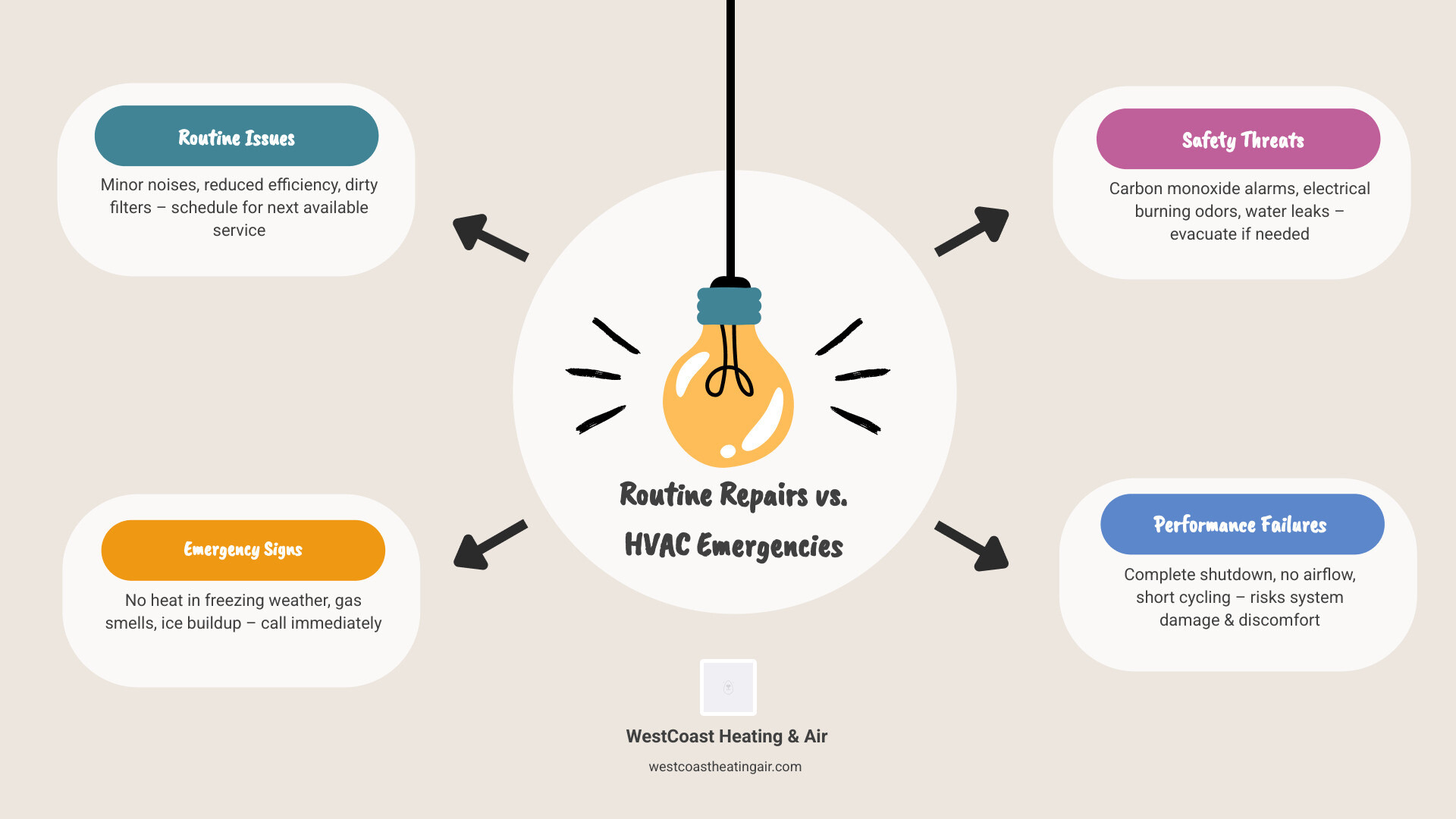
When we talk about an HVAC “emergency,” we aren’t just talking about a minor inconvenience like a slightly dusty vent. We are talking about situations that threaten your home’s structural integrity, your family’s health, or the very life of your heating and cooling equipment.
In April 2026, as we transition through the unpredictable spring weather of the Puget Sound, know where to draw the line. To help you distinguish between a “fix it next week” problem and a “call right now” crisis, we’ve put together this comparison:
| Situation | Routine Repair (Can Wait) | Emergency Service (Call Now) |
|---|---|---|
| Indoor Temperature | House is 2-3 degrees off target. | Temperatures are below 40°F or above 90°F. |
| Airflow | Air feels slightly weaker than usual. | No airflow at all or system won’t engage. |
| Noises | A small, occasional click when starting. | Screeching, grinding, or loud banging. |
| Smells | A faint “dusty” smell on first seasonal use. | Burning, electrical, or rotten egg odors. |
| Safety Alarms | Low battery chirp on a smoke detector. | Carbon Monoxide (CO) alarm is sounding. |
| Moisture | Small amount of condensation on windows. | Large puddles of water or ice on the unit. |
When Health and Safety Take Priority
In our local communities like University Place and Steilacoom, an HVAC failure becomes an immediate emergency if you have vulnerable occupants in the home. This includes infants, the elderly, or anyone with chronic respiratory or health conditions. Extreme temperatures can lead to heatstroke or hypothermia much faster than most people realize.
Furthermore, any sign of a gas leak or carbon monoxide exposure is a life-threatening emergency. Carbon monoxide is a “silent killer” because it is colorless and odorless. If your CO alarm goes off, do not ignore it. Evacuate the house and call for professional help immediately. For more detailed steps on handling these specific furnace crises, check out our Emergency Gas Furnace Repair Puyallup Guide.
What are the auditory signs you need emergency hvac service during a Tacoma winter?
Tacoma winters are famous for their damp, biting cold. When your furnace is working overtime to keep the chill at bay, it may start making noises that sound more like a haunted house than a heating system. While some humming is normal, specific sounds are signs you need emergency hvac service.
- Screeching or Whining: This usually points to a failing blower motor or a loose fan belt. If the belt snaps or the motor seizes, your system will stop heating entirely, often right when you need it most.
- Metal Scraping: If it sounds like nails on a chalkboard or metal hitting metal, your blower wheel may have come loose and is hitting the housing. Turning the system off immediately can prevent the wheel from shattering and causing much more expensive damage.
- Loud Banging or Popping: In a gas furnace, this can be caused by delayed ignition. Small amounts of gas build up before igniting, creating a “mini-explosion.” This can eventually crack your heat exchanger, which is a major safety risk.
- Rattling or Vibrating: This often suggests loose internal components or panels. While it might seem minor, constant vibration can lead to electrical connections shaking loose, potentially causing a fire hazard.
Don’t let a noisy furnace leave you in the cold. You can find more specific advice in our Tacoma Emergency Furnace Maintenance Guide.
Are there performance signs you need emergency hvac service for a Spanaway heat pump?
Heat pumps are incredibly efficient, but they are complex machines. In areas like Spanaway and Roy, we see heat pumps struggle when components begin to fail. If your system is behaving erratically, it’s one of the primary signs you need emergency hvac service.
- Short Cycling: This is when your unit turns on and off every few minutes without ever reaching the desired temperature. It puts massive strain on the compressor and can lead to a total system burnout in a matter of days.
- Weak or No Airflow: If you can hear the motor running but nothing is coming out of the vents, you might have a major ductwork failure or a completely frozen evaporator coil.
- Lukewarm Air: If your AC is blowing warm air or your heater is blowing cool air, your refrigerant levels might be dangerously low, or your reversing valve may have failed.
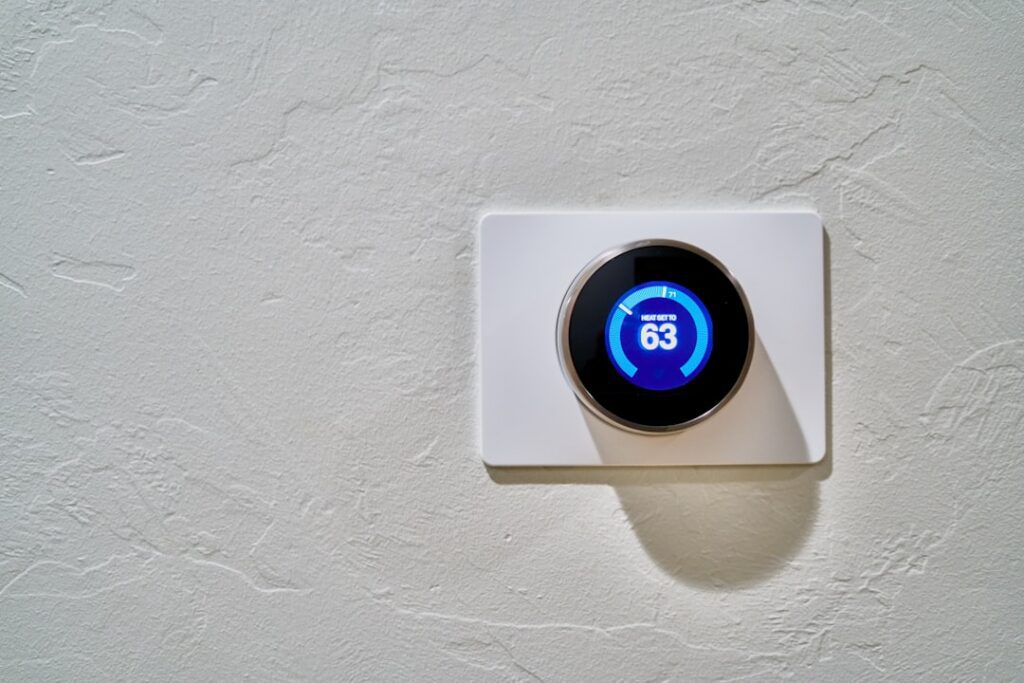
- Thermostat Failure: If your thermostat screen is blank or it isn’t communicating with the unit, you lose all control over your home’s climate.
If your system is acting up, don’t wait for it to quit entirely. Read more about When Your Heat Pump Quits Same-Day Maintenance in Spanaway WA to see how we can help.
How should I respond to unusual smells, water leaks, or ice buildup on my unit?
Sometimes the signs you need emergency hvac service aren’t heard or felt—they are smelled or seen. These symptoms often point to chemical or electrical issues that require immediate professional intervention.
Unusual Smells: The Nose Knows
- Rotten Eggs/Sulfur: This is the classic sign of a natural gas leak. Gas companies add this scent (mercaptan) because natural gas is naturally odorless. If you smell this, do not flip any light switches or use your phone inside. Evacuate immediately and call your gas provider and an HVAC expert from a safe distance.
- Burning or Ozone: A “fishy” or electrical burning smell usually indicates overheating wires or a motor that is about to catch fire. Shut the system off at the breaker immediately.
- Musty or Moldy: While not always an immediate “emergency” in the sense of a fire, persistent moldy smells mean your indoor air quality is compromised, which can lead to respiratory issues for your family.
Water Leaks and Ice Buildup
Finding a puddle around your indoor furnace or outdoor AC unit is never a good sign.
- Condensate Clogs: If the drain line clogs, water can back up and overflow into your home, causing thousands of dollars in water damage to floors and drywall.
- Refrigerant Leaks: If you see “oily” residue or hear a hissing sound, you likely have a refrigerant leak. Refrigerant is toxic and essential for the system to function; running a system low on charge will destroy the compressor.
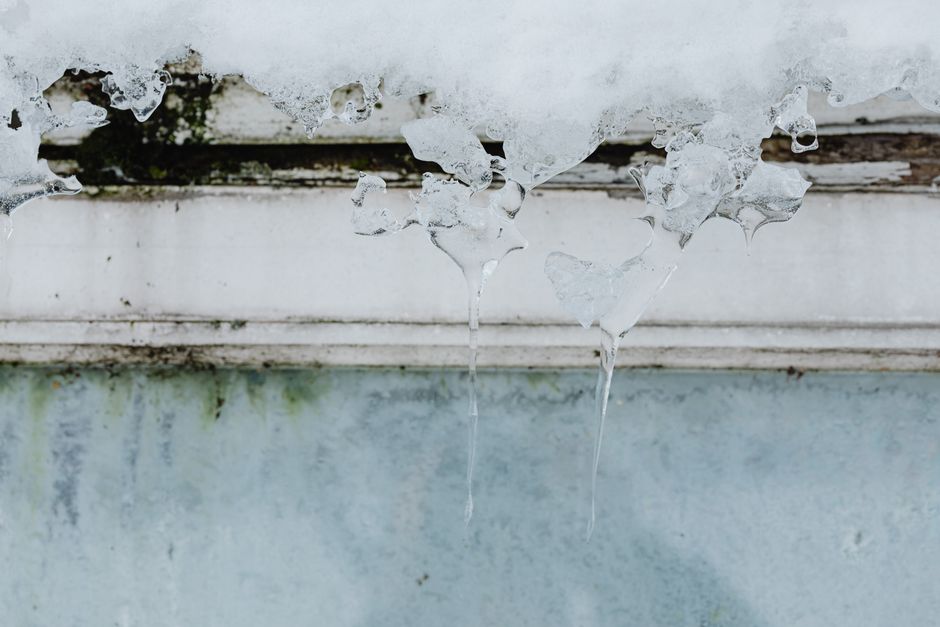
- Ice Formation: Seeing ice on your unit in the middle of summer is a major red flag. It usually means you have restricted airflow (like a very dirty filter) or a refrigerant leak. Ice acts as an insulator, preventing the system from cooling your home and forcing the motor to work until it fails.
If you’re dealing with these issues during a summer heatwave, check out our guide to Beat the Heat with Emergency AC Maintenance in Tacoma WA.
What can I safely troubleshoot before calling a professional?
Before you pick up the phone for emergency service, there are a few “sanity checks” you can perform. Sometimes the fix is simpler than it seems. However, always remember: Safety first. Never open electrical panels or touch gas lines yourself.
- Check the Thermostat: It sounds simple, but check the batteries. If the screen is blank, a fresh pair of AAs might solve the problem. Ensure it is set to “Heat” or “Cool” as appropriate and that the temperature setting is actually calling for the system to run.
- Inspect the Circuit Breaker: Check your home’s electrical panel. If the HVAC breaker has tripped, try resetting it once. If it trips again immediately, do not try a second time—this indicates a dangerous electrical short that needs a pro.
- Change the Air Filter: A clogged filter is the #1 cause of HVAC issues. It can cause the system to overheat and shut down or cause coils to freeze. According to the Department of Energy, a dirty filter can increase energy usage by 15%. If yours is caked in dust, replace it and see if performance improves.
- Clear the Outdoor Unit: Ensure there are at least two feet of clearance around your outdoor condenser. Leaves, tall grass, or snow can “choke” the unit, leading to emergency-level overheating.
- Check the Vents: Make sure your supply and return vents aren’t blocked by furniture or curtains. Restricted airflow is a common reason for “weak airflow” complaints.
For more tips on diagnosing issues specifically for heat pumps, see our guide on How to Identify Heat Pump Problems in Puyallup.
Frequently Asked Questions about HVAC Emergencies
How long does a residential HVAC system typically last?
In our local climate—from SeaTac down to Tumwater—most well-maintained systems last between 10 and 15 years. If your system is over 12 years old and starts showing signs you need emergency hvac service, it may be more cost-effective to replace it. A good rule of thumb is the “50% rule”: if the repair cost is more than half the price of a new system, it’s time to upgrade.
What are the risks of ignoring a burning smell from my vents?
Ignoring a burning smell is dangerous. It often points to a failing capacitor, a seized motor, or melting wire insulation. If left running, these components can spark an electrical fire within your ductwork. Always shut the system down at the breaker if you detect an electrical odor.
How can regular maintenance prevent a system breakdown?
Annual tune-ups are the best insurance against emergencies. During a visit, we can catch small issues—like a fraying belt, a leaking capacitor, or a slight refrigerant drop—before they turn into a 2:00 AM breakdown on the coldest night of the year. Regular maintenance also keeps your system running at peak efficiency, saving you money on monthly utility bills.
Conclusion
At WestCoast Heating & Air, we understand that your home is your sanctuary. As a family-owned company with over 20 years of experience serving Puyallup, Tacoma, Sumner, and the surrounding areas, we don’t just fix residential systems—we restore your peace of mind. Whether you are in Orting or University Place, our commitment to customized residential system design and customer education ensures you get the right solution for your specific home.
If you’ve noticed any of the signs you need emergency hvac service mentioned today, don’t wait for the problem to get worse. Early intervention saves money, protects your home, and keeps your family safe.
Is your system showing its age? Learn more about the Signs It’s Time to Upgrade Your HVAC System or reach out to us at WestCoast Heating & Air for expert, local residential service you can trust.