

What Does an HVAC Maintenance Plan Include — and Why It Matters for Your Home
What does an HVAC maintenance plan include is one of the first questions homeowners ask before signing up for a service agreement — and it’s exactly the right question. Here’s a quick answer:
A standard HVAC maintenance plan typically includes:
- Two seasonal tune-up visits per year (spring for cooling, fall for heating)
- Inspection and cleaning of key components (coils, burners, heat exchanger, drain lines)
- Refrigerant level checks and electrical connection testing
- Air filter replacement or inspection
- Thermostat calibration and safety controls testing
- Carbon monoxide and combustion safety checks (for gas systems)
- Priority scheduling and repair discounts for plan members
Most plans cover both your heating and cooling systems, and a thorough tune-up visit involves around 30 separate procedures lasting 60 to 90 minutes.
Here’s the reality: a neglected HVAC system loses roughly 5% of its efficiency every year. Over time, that adds up to noticeably higher energy bills, more frequent breakdowns, and a system that wears out years sooner than it should. Most HVAC systems are built to last 15 to 20 years — but without regular care, that lifespan can easily be cut in half.
Think of it the same way you think about oil changes or dental cleanings. Skipping them once doesn’t feel like a big deal. But skipping them repeatedly leads to expensive problems that could have been caught early.
I’m Michael Smith, owner of WestCoast Heating & Air in Puyallup, Washington, and after 30 years in precision engineering at Boeing before transitioning into the HVAC industry, I’ve seen how a proactive maintenance plan keeps systems running reliably through every season. In this guide, I’ll walk you through exactly what does an HVAC maintenance plan include so you can make a confident, informed decision for your home.
Understanding What an HVAC Maintenance Plan Includes vs. a One-Time Tune-Up
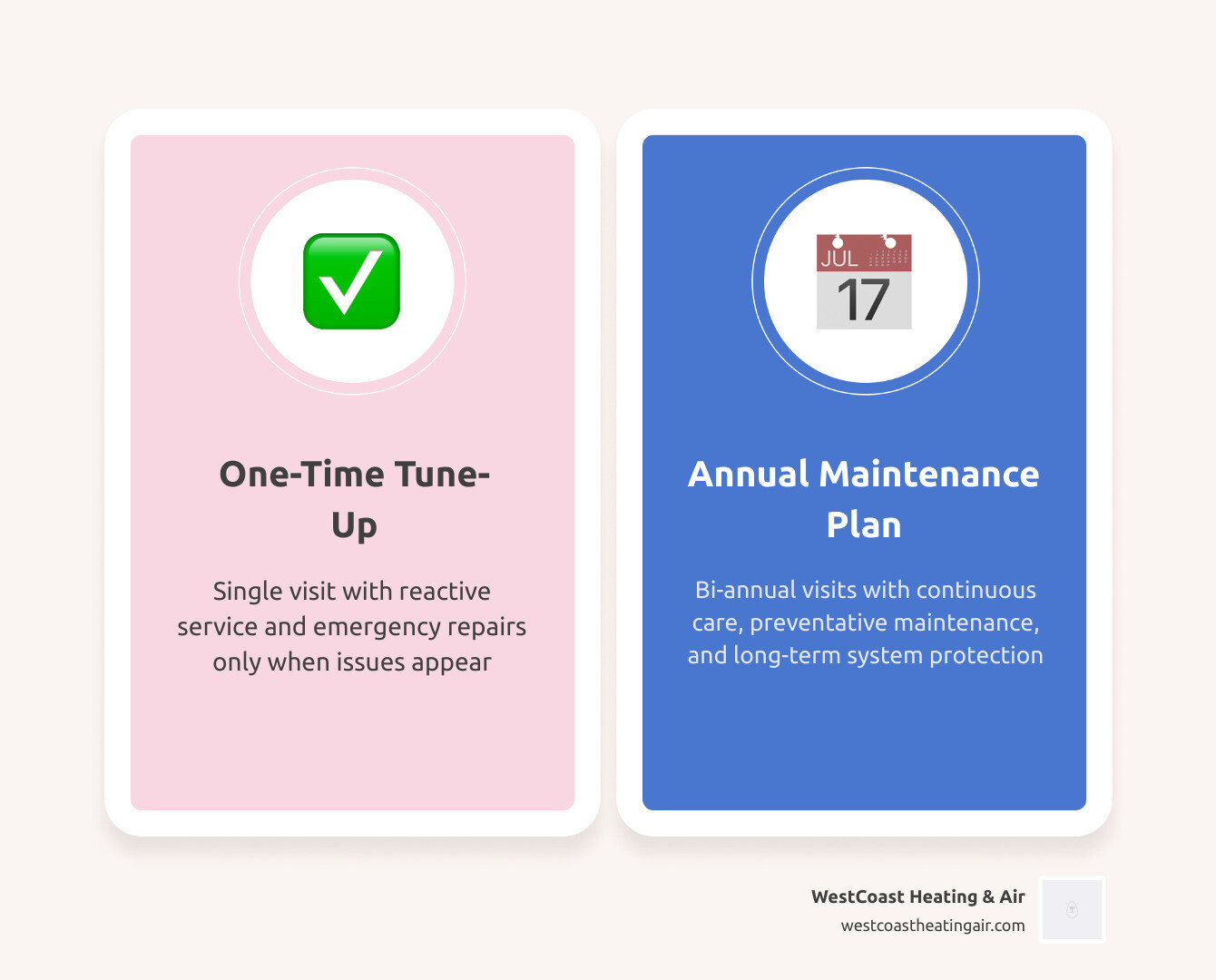
When homeowners in Puyallup or Tacoma begin researching home comfort options, they often wonder if they should simply call for a one-time tune-up whenever they remember, or if they should enroll in an ongoing residential protection plan.
To understand the difference, it helps to look at the philosophy of preventative maintenance. A one-time tune-up is a single, reactive visit. You call a technician because the weather is starting to change, or perhaps because you noticed a strange noise. Once the technician leaves, your relationship with that service provider essentially pauses until you decide to call them again.
If you skip regular care entirely, the consequences can accumulate quickly. You can read more about these risks in our detailed guide on What Happens If You Skip HVAC Maintenance.
An HVAC maintenance plan, on the other hand, is a structured, long-term partnership designed to ensure continuous home comfort and system longevity. It shifts your home’s heating and cooling care from a reactive “fix-it-when-it-breaks” approach to a proactive, highly organized strategy.
| Feature | One-Time Tune-Up | Annual Maintenance Plan |
|---|---|---|
| Service Frequency | Single, isolated visit | Bi-annual scheduled visits (Spring & Fall) |
| System History | None; treated as a brand-new visit each time | Detailed, ongoing “medical history” of your system |
| Scheduling | Homeowner must remember to call and book | Automated reminders and priority booking |
| Discounts on Repairs | Full price for parts and labor | Member-exclusive discounts on repairs |
| Urgent Priority | Standard queue (can mean long waits in peak season) | Priority dispatching ahead of non-members |
| Warranty Compliance | Harder to track and document consistently | Automatic, documented proof of annual service |
The Limitations of a One-Time Tune-Up
While a single professional tune-up is certainly better than nothing, it has distinct limitations. Because it is a reactive service, it only captures a snapshot of your system’s health at that exact moment. It doesn’t allow for long-term tracking of electrical wear, motor performance, or minor refrigerant leaks that slowly develop over several seasons.
Furthermore, if your system experiences an unexpected breakdown during a freezing January night in Orting or a sweltering July afternoon in SeaTac, a one-time customer has to wait in the standard service queue. During peak seasons, that wait can sometimes stretch into days as local HVAC companies handle an influx of urgent repair calls.
Why a Comprehensive HVAC Maintenance Plan is Different
A comprehensive maintenance plan offers continuous care. Instead of waiting for a component to fail, our technicians track the gradual wear and tear of your system over time. We measure electrical amp draws on your blower motor, test capacitor strengths, and monitor refrigerant levels season after season. This creates a detailed performance history that helps us identify and resolve potential issues before they ever lead to system failures.
To keep your system running at peak performance, consistency is key. You can learn more about finding the perfect rhythm for your home in our article on How Often Should You Schedule an HVAC Tune-Up.
What Does an HVAC Maintenance Plan Include for Seasonal Visits?
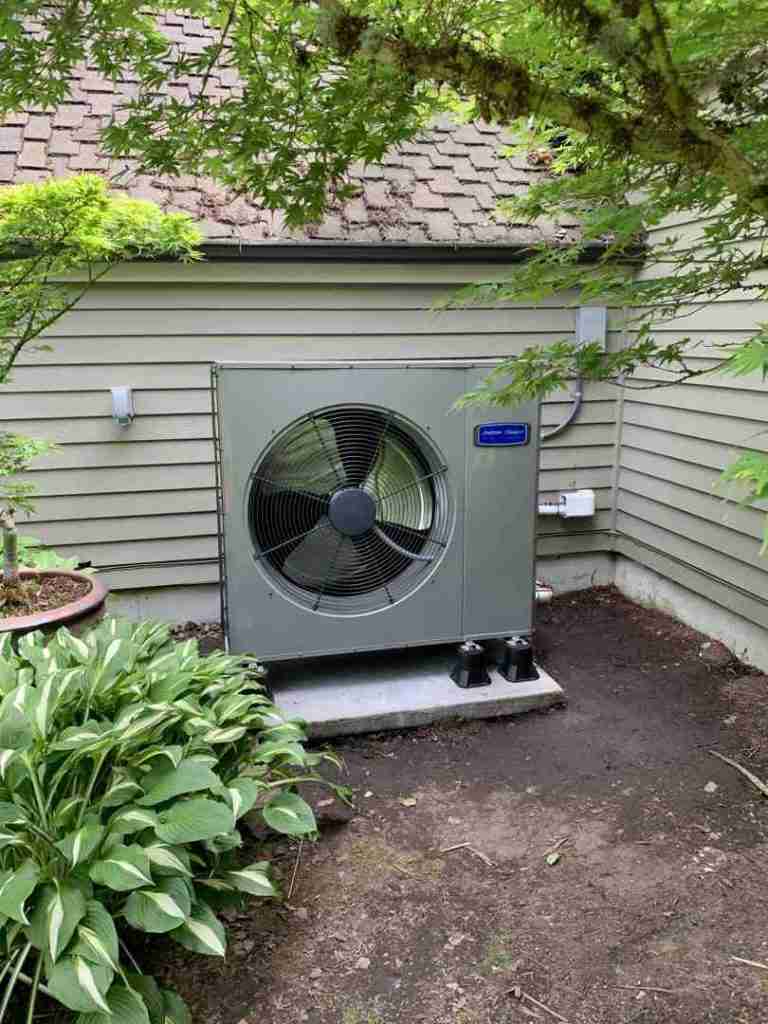
Living in the Pacific Northwest, our heating and cooling systems face very different demands depending on the time of year. A truly comprehensive maintenance plan is structured around two key seasonal visits: a spring visit to prepare your cooling system (or heat pump) for the summer, and a fall visit to ensure your heating system is ready to keep you safe and warm through the winter.
To get the absolute most out of these visits, timing is everything. For a deeper dive into when to book these appointments, check out our guide on The Best Time to Schedule Your Heating and Cooling Tune-Ups.
Spring and Summer Cooling System Checklist
Before the summer heat arrives in Steilacoom or Sumner, your cooling system needs a thorough inspection to ensure it can run efficiently without working overtime. During a spring cooling visit, a technician will perform around 30 separate procedures, typically lasting 60 to 90 minutes.
Key procedures in a cooling tune-up include:
- Condenser and Evaporator Coil Inspection: Dirty coils act as insulation, preventing your system from releasing heat outdoors or absorbing it indoors. We inspect and clean these coils to maintain optimal heat transfer.
- Refrigerant Level Verification: We measure refrigerant pressures to ensure your system has the exact charge specified by the manufacturer. Low refrigerant causes the system to run longer, increasing energy consumption and risking a frozen evaporator coil.
- Electrical Safety Evaluations: We inspect all wiring, tighten loose connections, and measure the voltage and amperage on major motors. We also test capacitors, which act as temporary batteries to start your system’s motors. A failing capacitor is one of the most common causes of summer breakdowns.
- Condensate Drain Line Flushing: As your air conditioner cools your home, it also removes humidity from the air. This moisture collects in a drain pan and flows out through a condensate line. We flush this line to prevent algae buildup, clogs, and water damage in your home.
If you want to know exactly what to expect when our truck pulls into your driveway, you can read our walkthrough on Everything You Need to Know About Your Next HVAC Service Visit.
Fall and Winter Heating System Checklist
When the damp, chilly autumn weather settles over Spanaway and Roy, our focus shifts entirely to your heating system. Whether you have a gas furnace, an electric furnace, or a modern heat pump, a fall tune-up is essential for both comfort and safety.
Key procedures in a heating tune-up include:
- Heat Exchanger Integrity Inspection: In gas furnaces, the heat exchanger is the metal chamber where fuel is burned to create heat. If this metal cracks due to age or overheating, dangerous combustion gases—including carbon monoxide—can leak into your home’s breathing air. We use specialized cameras to inspect the heat exchanger for hairline cracks or corrosion.
- Burner Assembly and Ignition Testing: We clean and adjust the burners and the pilot or ignitor assembly to ensure clean, efficient combustion.
- Carbon Monoxide and Gas Leak Testing: Safety is our top priority. We perform rigorous carbon monoxide testing and inspect gas valves and pipes for any signs of leaks.
- Furnace Safety Controls Check: We test all limit switches and safety controls to ensure the furnace will automatically shut down if it overheats or experiences a venting issue.
For homeowners in our local area, regular furnace care is especially critical. Learn more about local heating safety in our article on Why You Need a Furnace Tune-Up in Pierce County.
Key Components of Professional Airflow and Filtration Management
A major part of what does an HVAC maintenance plan include revolves around airflow. If your system cannot breathe, it cannot heat or cool your home efficiently. In fact, a clogged air filter can reduce system airflow by up to 50%, forcing the blower motor to run hotter, draw more electricity, and wear out prematurely.
Furthermore, leaky or poorly balanced ductwork can waste 20% to 30% of your conditioned air before it ever reaches your living spaces. During maintenance visits, our technicians evaluate static pressure—the resistance to airflow within your system—to ensure your ductwork and blower motor are operating in perfect harmony.
To understand how poor airflow impacts your system’s mechanics, you can read our guide, Stop Choking Your HVAC: A Guide to Filter Replacement Timing.
The Role of Filter Changes in What Does an HVAC Maintenance Plan Include
Air filters do more than just protect your indoor air quality; they are the first line of defense for your HVAC equipment. During a maintenance plan visit, we inspect your air filters and replace them if necessary.
Our technicians will also help you evaluate the best Minimum Efficiency Reporting Value (MERV) rating for your specific system. While high-efficiency filters capture more microscopic dust and allergens, they also restrict airflow more than standard filters. We ensure your system is calibrated to handle your chosen filter without putting undue stress on the blower motor.
For a closer look at how filters affect your system’s breathing, check out The Importance of Seasonal Filter Changes Airflow Optimization.
DIY Upkeep Tasks Between Professional Visits
While major technical inspections must be performed by a licensed, professional technician, there are several simple tasks homeowners can handle between scheduled visits to keep things running smoothly.
These tasks include:
- Maintaining Outdoor Clearance: Ensure there are at least 24 inches of clear space around your outdoor condenser or heat pump unit. Clear away fallen leaves, grass clippings, weeds, and low-hanging branches.
- Keeping Vents Clear: Walk through your home and ensure that return air grilles and supply vents are not blocked by furniture, heavy drapes, or toys.
- Regular Filter Checks: Check your air filters every 30 to 90 days, especially if you have pets or live in an area with high seasonal pollen.
For a simple step-by-step checklist on home upkeep, read our guide on 3 Easy DIY HVAC Upkeep Tasks Homeowners Can Do Between Professional Visits.
The Long-Term Benefits of Enrolling in a Residential Protection Plan
Enrolling in an HVAC maintenance plan is an investment in your home’s comfort, safety, and monthly budget. The primary financial return comes from improved energy efficiency. When your coils are clean, your motors are lubricated, and your airflow is unrestricted, your system doesn’t have to run as long or work as hard to maintain your desired temperature. This translates directly to lower monthly utility bills.
Additionally, regular maintenance helps you avoid the stress of urgent breakdowns. Discover the expert strategies we use to keep systems running smoothly in our resource on Maintenance Secrets to Keep Your HVAC Running Smoothly.
Preserving Your Manufacturer Warranty
If you have a newer heating or cooling system, maintaining a valid manufacturer warranty is incredibly important. Most major HVAC manufacturers explicitly state in their warranty terms that the system must be professionally maintained on an annual basis.
If a major component—such as the compressor or heat exchanger—fails within the warranty period, the manufacturer will often require documented proof of regular professional maintenance before they will cover the cost of the replacement part. Enrolling in an annual plan ensures you always have a digital paper trail of professional service records, protecting you from unexpected out-of-pocket expenses.
Member Perks and Priority Scheduling
Beyond the technical tune-ups, joining a maintenance plan comes with exclusive member benefits designed to give you peace of mind:
- Priority Dispatching: If your system ever experiences an issue, plan members are moved to the front of the line, even during peak summer and winter weather events.
- Repair Discounts: Members receive exclusive discounts on parts and labor for any repairs identified during maintenance visits.
- Zero After-Hours Fees: Many plans waive urgent or after-hours diagnostic fees for enrolled members.
- Automated Reminders: You don’t have to worry about remembering when to schedule your spring or fall visits; we reach out to you to find a convenient time.
Frequently Asked Questions About Home Comfort Plans
Common Questions About What Does an HVAC Maintenance Plan Include
How often are maintenance visits scheduled?
Standard HVAC maintenance plans include two visits per year. We typically schedule one in the spring (to prepare for the cooling season) and one in the fall (to prepare for the heating season). If you have a heat pump that provides both heating and cooling year-round, these twice-yearly check-ins are especially vital.
Does a maintenance plan cover both heating and cooling?
Yes. A comprehensive plan is designed to cover your entire residential HVAC system. During the spring visit, the focus is heavily on your outdoor AC unit or heat pump. During the fall visit, the focus shifts to your furnace or heating elements.
Will a maintenance plan keep my manufacturer warranty valid?
In almost all cases, yes. Most major manufacturers require professional annual maintenance to keep your warranty active. Having a bi-annual maintenance plan guarantees you meet and exceed these requirements.
To understand the specific service needs of your heating system, you can read our guide on How Often Should You Get Your Furnace Service.
Can I Perform My Own HVAC Maintenance?
While DIY projects are a great way to care for your home, comprehensive HVAC maintenance requires specialized tools, professional training, and EPA certification.
Technicians must use calibrated gauges to check refrigerant levels, electrical meters to measure voltage and capacitor capacitance, and specialized combustion analyzers to check for carbon monoxide leaks. Attempting to service these complex mechanical, electrical, and gas components yourself can void your manufacturer warranty, damage the equipment, or create severe safety hazards. It is always best to leave internal system testing to a licensed professional.
How Do I Choose the Right Plan for My Home?
When choosing an HVAC maintenance plan, consider the age and complexity of your system. If you have an older system that is out of warranty, look for a plan that offers generous discounts on replacement parts and labor. If you have a brand-new system, prioritize a plan that focuses on meticulous documentation to keep your manufacturer warranty fully intact.
At WestCoast Heating & Air, we believe in customized system care and customer education. We can help you evaluate your home’s unique layout, your equipment’s age, and your family’s indoor air quality needs to select or customize a maintenance plan that fits your home perfectly.
Conclusion
Your home’s heating and cooling system is one of the most significant investments you will make as a homeowner. Protecting that investment doesn’t have to be complicated or stressful. By understanding what does an HVAC maintenance plan include, you can take control of your home’s comfort, lower your monthly energy costs, and ensure your system is ready to handle whatever Pacific Northwest weather comes our way.
At WestCoast Heating & Air, we bring over 20 years of local experience, family-owned values, and precision engineering standards to every home we serve across Puyallup, University Place, Tumwater, Tacoma, Sumner, Steilacoom, Spanaway, SeaTac, Roy, and Orting.
Ready to enjoy true peace of mind and year-round home comfort? Contact us today at WestCoast Heating & Air to find the perfect maintenance plan for your home.