

Does a New HVAC Help Sell Your Home Faster? Here’s What the Data Shows
Does a new HVAC help sell your home faster? Yes — and by a meaningful margin. Here’s a quick summary of what homeowners in Puyallup need to know:
Quick Answer:
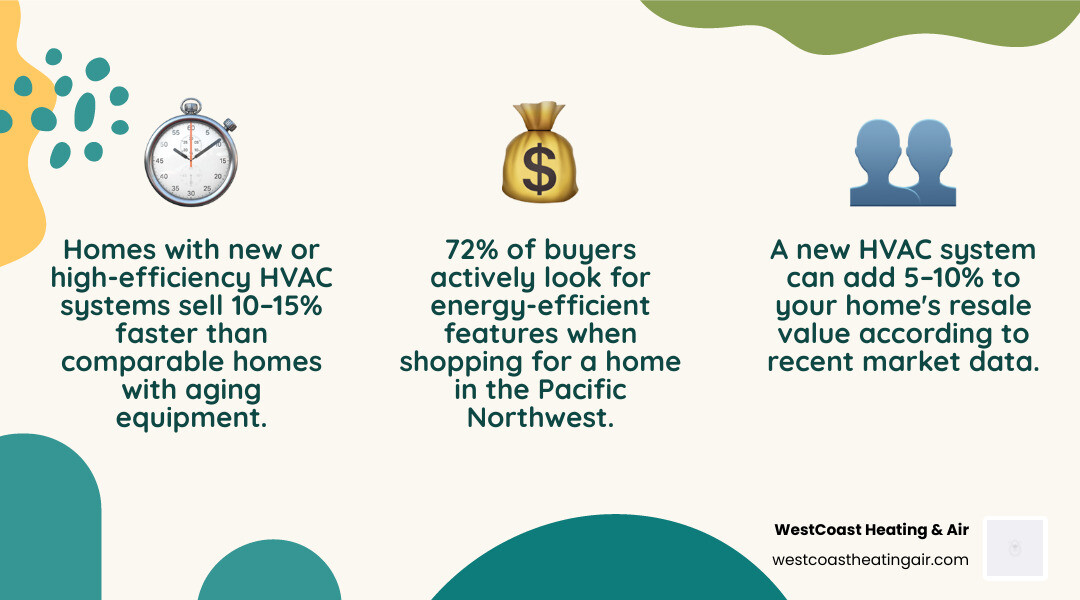
- Homes with new or high-efficiency HVAC systems sell 10–15% faster than comparable homes with aging equipment
- That translates to roughly 10–11 fewer days on the market on average
- 89% of real estate agents say an efficient HVAC system can speed up a sale and increase offers by 2–5%
- A new system can add 5–10% to your home’s resale value
- 72% of buyers actively look for energy-efficient features when shopping for a home
- Old or failing HVAC systems can trigger inspection issues, reduce your buyer pool, and cost you thousands in negotiated concessions
Most sellers focus on fresh paint, updated kitchens, or curb appeal when getting ready to list. Those things matter — but they’re often the “show ponies” of a home sale. What buyers and their lenders are quietly scrutinizing is something less visible: the mechanical systems keeping the home livable. Your heating and cooling system sits at the top of that list.
In the Pacific Northwest, where Puyallup winters are cold and damp and summer temperatures are climbing, a reliable HVAC system isn’t a luxury — it’s a baseline expectation. Buyers walking through your home during a July showing or a February open house are going to notice whether the air feels right. And if your system is old, noisy, or struggling to keep up, that feeling follows them all the way to their offer — or lack of one.
I’m Michael Smith, owner of WestCoast Heating & Air, and after 30 years with Boeing followed by years installing and servicing residential HVAC systems across the Puyallup area, I’ve seen how a home’s heating and cooling condition shapes the entire selling conversation — whether a new HVAC helps sell your home faster often comes down to decisions made long before the listing goes live. Let’s walk through everything you need to know to make the right call.
Does a New HVAC Help Sell Your Home Faster?
When you list a home, “Days on Market” (DOM) is a critical metric. The longer a house sits, the more buyers begin to wonder if something is wrong with it. This is where high-performing mechanical systems come into play. Real estate data consistently shows that properties highlighting a “new HVAC” or “new central air” in their listing descriptions sell up to 15% faster than comparable homes with aging systems.
This speed premium exists because a new heating and cooling system directly targets a buyer’s most significant post-purchase anxiety: the fear of immediate, expensive repairs. When a buyer stretches their budget to cover a down payment and closing costs in today’s competitive market, the last thing they want is to inherit a failing furnace or a leaking air conditioner.
By taking that massive capital expense off the table, you immediately make your home more appealing to a wider pool of buyers. It transforms your property from a “project” into a truly move-in-ready home. Furthermore, a modern system eliminates the friction that often stalls transactions during the escrow period. If you are wondering how an outdated setup might be affecting your current selling strategy, it’s worth exploring if Is Your Old AC Killing Your Resale Price? to see how buyers calculate these future costs when drafting their initial offers.
How Does a New HVAC Help Sell Your Home Faster in the Pacific Northwest Climate?
Our climate in Pierce and South King Counties is unique. In places like Puyallup, Tacoma, Sumner, and Orting, we experience a wide range of weather conditions. Our winters are notoriously long, damp, and chilly, requiring robust and consistent heating. Meanwhile, our summers are increasingly seeing stretches of intense heat, making reliable cooling a necessity rather than a luxury.
Because of these shifting weather patterns, local buyers have become incredibly savvy. They are no longer satisfied with a simple, aging baseboard heating setup or an old furnace paired with no cooling option. Today’s buyers are actively looking for homes equipped with modern heat pumps. Heat pumps are the ideal solution for the Pacific Northwest because they provide highly efficient, dual-action climate control—keeping the home warm and dry in the winter and beautifully crisp in the summer.
When a buyer walks into an open house in Steilacoom or University Place on a humid, 90-degree August afternoon and feels perfectly balanced, cool air, the emotional connection to the property is instant. Conversely, if your system is on its last legs, it will show. Understanding the local wear and tear on these systems is crucial; you can read more about what to expect in The Cold Hard Truth About HVAC Lifespans in the Northwest to evaluate where your current equipment stands.
Why Does a New HVAC Help Sell Your Home Faster Than Cosmetic Upgrades?
It is easy to fall into the trap of thinking a beautiful kitchen remodel or a luxury primary bathroom upgrade is the best way to attract fast offers. While cosmetic upgrades certainly look great in listing photos, they are highly subjective. A buyer might look at a brand-new, expensive tile backsplash and decide they absolutely hate the color, immediately planning to tear it out.
An HVAC system, however, is a universal need. No buyer walks into a home and says, “I really wish this heating and cooling system wasn’t so efficient and reliable.” It represents the “invisible bones” of the household. While cosmetic features are “wants,” reliable climate control is an absolute “need.”
Additionally, smart buyers look at the operating costs. A home with an old, inefficient system carries a “hidden tax” in the form of sky-high monthly utility bills. A new, energy-efficient system promises lower monthly bills from day one.
| Feature / Upgrade | Buyer Appeal | Subjectivity | Impact on Inspection/Appraisal |
|---|---|---|---|
| New HVAC System | Universal (Everyone wants reliable, cheap comfort) | Extremely Low (No one dislikes efficiency) | High positive impact; eliminates major inspection hurdles |
| Kitchen Remodel | High (But design choices vary wildly) | High (Colors, materials, and layouts are personal) | Minimal impact on basic functional approvals |
| New Flooring | Moderate (Depends on pet/allergy needs) | Moderate (Carpet vs. hardwood vs. LVP) | Aesthetic only; rarely affects financing |
| Smart Home Upgrades | Moderate (Appeals to tech-forward buyers) | Low (Generally appreciated) | Minimal direct appraisal value |
How a New HVAC System Increases Home Value and Resale Appeal
Investing in a major home upgrade isn’t just about selling quickly; it’s also about protecting and maximizing your home equity. On average, a new, high-efficiency heating and cooling system can add 5% to 10% to a home’s resale value. In a market where median home values are strong, that percentage represents a very real return on your investment.
Buyers in 2026 are highly focused on energy efficiency. With standard SEER2 (Seasonal Energy Efficiency Ratio) ratings now defining modern cooling performance, homes that feature these high-efficiency systems stand out. A modern system can slash monthly energy consumption by 20% to 40% compared to a decade-old unit.
When you upgrade your system, you are also future-proofing the home against changing environmental regulations. For example, older systems that rely on phased-out refrigerants are becoming incredibly expensive to service, which buyers know. By upgrading, you offer a system that is fully compliant with modern standards, quiet, and incredibly cheap to run. For a deeper look at balancing your upfront upgrade decisions with long-term equity gains, check out our guide on Upgrading Your HVAC Without Losing Your Cool or Your Cash.
Maximizing ROI with Energy-Efficient Upgrades
To get the absolute best return on your investment before listing your home, it is wise to leverage the variety of financial incentives available in 2026. Under the federal Inflation Reduction Act, homeowners can claim substantial tax credits—up to $2,000 for qualifying high-efficiency heat pump installations.
When you combine these federal tax credits with local utility rebates from providers like Tacoma Power or Puget Sound Energy (PSE), the net cost of your upgrade drops significantly. This allows you to install a premium, high-efficiency system that appeals to modern buyers while keeping more cash in your pocket during the sale.
Modern heat pumps are particularly attractive because they offer zoned comfort options, allowing different areas of the home to be heated or cooled independently. This level of customization is a massive selling point. To understand how different modern systems compare in terms of both daily comfort and long-term resale value, read our analysis on Comparing the Cost and Comfort of Modern HVAC Systems.
Building Buyer Trust with Maintenance Records
Even if you decide not to replace your system because it still has plenty of life left, you can still use your HVAC system to build immense buyer trust. A well-documented maintenance history is incredibly powerful. It signals to buyers and their home inspectors that you are a responsible homeowner who hasn’t cut corners on property maintenance.
When we service homes throughout Puyallup, Tacoma, and Spanaway, we always provide detailed service records. Having a clean bill of health from a licensed professional can completely change a buyer’s perspective on an older system.
Essential HVAC Documents to Gather Before Listing:
- Professional Installation Permits: Proof that the system was installed legally and up to local building codes.
- Detailed Maintenance Logs: Receipts and service reports showing annual professional tune-ups.
- Active Warranty Documentation: Information on whether the manufacturer’s warranty is transferable to the new owner (a massive selling point!).
- Past 12 Months of Utility Bills: Real-world proof of how efficient the system is, demonstrating low monthly running costs to prospective buyers.
Navigating Inspections, Appraisals, and Financing
The period between accepting an offer and closing the deal is where many home sales fall apart. This escrow phase is dominated by home inspectors, appraisers, and bank underwriters. Your HVAC system plays a starring role in all three of these evaluations.
A home inspector’s job is to find potential points of failure. An aging, dirty, or poorly functioning furnace will instantly be flagged in their report. If the inspector notes that the heating system is “near its end of functional life,” it can panic the buyers. This often leads to intense renegotiations, where buyers demand massive price reductions or repair credits that far exceed the actual cost of a replacement.
Furthermore, financing options like FHA or VA loans have incredibly strict guidelines regarding a home’s mechanical systems. If a home does not have a fully functional, safe heating source capable of maintaining a comfortable temperature throughout the living spaces, the underwriter will deny the loan.
Appraisers also look closely at the “effective age” of the home’s mechanical systems. A brand-new, professionally installed HVAC system with a transferable warranty allows the appraiser to make positive adjustments to the home’s valuation, directly supporting your asking price.
Red Flags That Can Stall Your Sale
If you are preparing to sell, it is vital to look at your heating and cooling system through the eyes of a home inspector. There are several major red flags that will instantly raise alarms during the transaction process.
First is the age of the system. If your furnace or heat pump is over 15 years old, it is automatically viewed as a liability. Second is the type of refrigerant your air conditioner uses. Older systems running on R-22 refrigerant (often called Freon) are a massive red flag because R-22 has been phased out. If an R-22 system develops a leak, repairing it is prohibitively expensive, and it cannot legally be recharged with new R-22.
Other common red flags include uneven heating or cooling throughout the home (such as a second floor that feels like a sauna while the main floor is freezing), unusual rattling or screeching noises during operation, and visible rust or corrosion on the heat exchanger or outdoor condenser. If you notice any of these issues, it is highly recommended to read up on the Signs It’s Time to Upgrade Your HVAC System before your open house.
Pre-Listing Alternatives to Full Replacement
If your system is between 8 and 12 years old, is functioning well, and doesn’t use phased-out refrigerant, you might not need a full replacement to satisfy buyers. There are several highly effective, lower-cost steps you can take to reassure buyers and keep your sale on track:
- Schedule a Professional Tune-Up: Have a licensed technician perform a comprehensive safety and performance inspection. This includes cleaning the burners, checking electrical connections, and verifying heat exchanger integrity.
- Replace All Air Filters: This is a simple step, but a brand-new, clean air filter shows attention to detail and ensures maximum airflow during buyer walkthroughs.
- Clean the Outdoor Condenser: Clear away any leaves, overgrown brush, or debris from the outdoor unit to show it has been well-cared for.
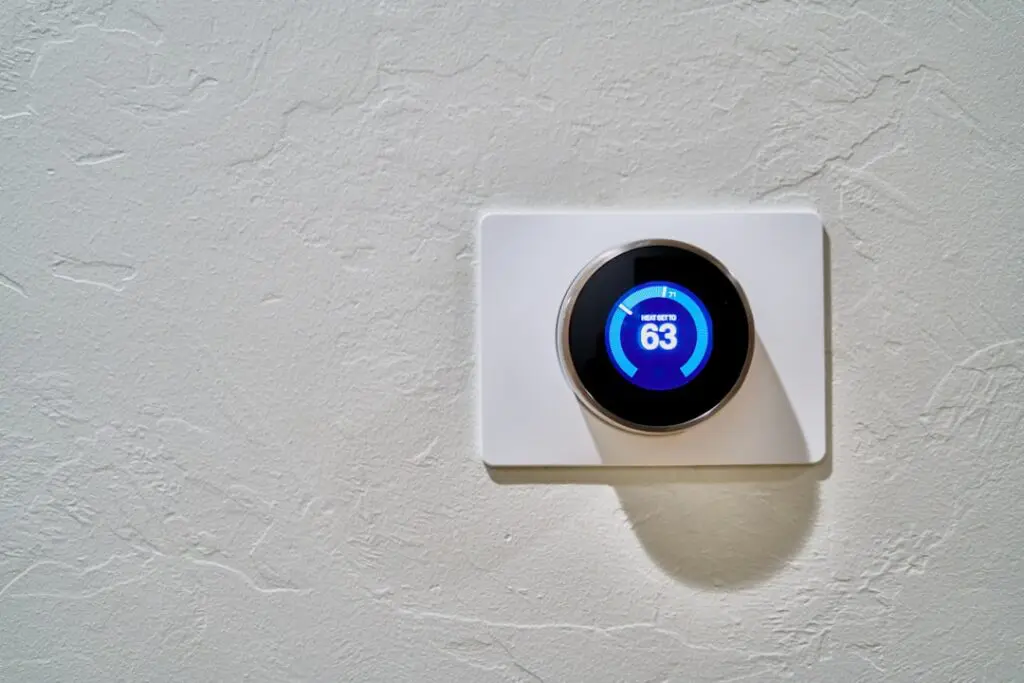
- Install a Smart Thermostat: Upgrading to a modern, smart thermostat is a relatively inexpensive way to make an older system feel modern and tech-forward to buyers.
If, after a professional evaluation, you discover that a full replacement is indeed the safest path to protecting your equity, you can learn what the installation process looks like by reading What to Expect During an HVAC Replacement.
Frequently Asked Questions About HVAC and Home Sales
Does a new HVAC system increase appraisal value?
Yes. Professional real estate appraisers evaluate the “effective age” and condition of a home’s primary mechanical systems. A brand-new, energy-efficient HVAC system is considered a major capital improvement. Depending on the local market and the overall value of the home, an appraiser will typically adjust the home’s valuation upward by several thousand dollars to reflect the contributory value of the new equipment.
Are there tax incentives for upgrading my HVAC in 2026?
Yes! Under current federal energy efficiency guidelines, homeowners can take advantage of substantial tax credits. For example, qualifying high-efficiency heat pumps can earn you up to a $2,000 federal tax credit. Additionally, local utility companies in the Puyallup and Tacoma areas offer various rebates for homeowners upgrading to energy-efficient electric heat pumps, helping to lower your net investment.
Should I offer a repair credit instead of replacing the unit?
In most cases, replacing the system before listing is much cleaner and more effective than offering a repair credit. Buyers shopping in competitive Pacific Northwest neighborhoods want move-in-ready homes. A repair credit means the buyer still has to manage the hassle, scheduling, and stress of a major installation immediately after moving in. Furthermore, some mortgage lenders will not allow large credits for essential systems, which can delay or derail your closing.
Conclusion
When preparing your home for the Puyallup real estate market, addressing your heating and cooling system is one of the smartest strategic moves you can make. While a beautiful kitchen or a freshly landscaped yard catches a buyer’s eye, it is a reliable, highly efficient HVAC system that secures their confidence, protects your appraisal value, and speeds up the transaction.
By upgrading an aging system or presenting a meticulously documented service history, you take the stress out of the home inspection, expand your pool of qualified buyers, and ensure your home sells faster and for top dollar.
At WestCoast Heating & Air, we bring over 20 years of local experience to every residential project across Puyallup, Tacoma, Sumner, Orting, and the surrounding areas. We specialize in helping local homeowners find the perfect balance of comfort, efficiency, and home value.
If you are getting ready to list your home and want to know where your heating and cooling system stands, we are here to help. Contact WestCoast Heating & Air for residential heating and cooling services today to schedule a professional pre-listing evaluation, and let us help you cross the finish line with a “Sold” sign in your yard!