
Why Does the Pacific Northwest Climate Stress Your Home’s HVAC?
In the Pacific Northwest, our weather isn’t just “wet”—it’s persistent. From the steady drizzle in Tacoma to the heavy downpours in Orting, moisture is the primary antagonist for your home’s comfort system. While these units are built to live outdoors, they aren’t invincible.
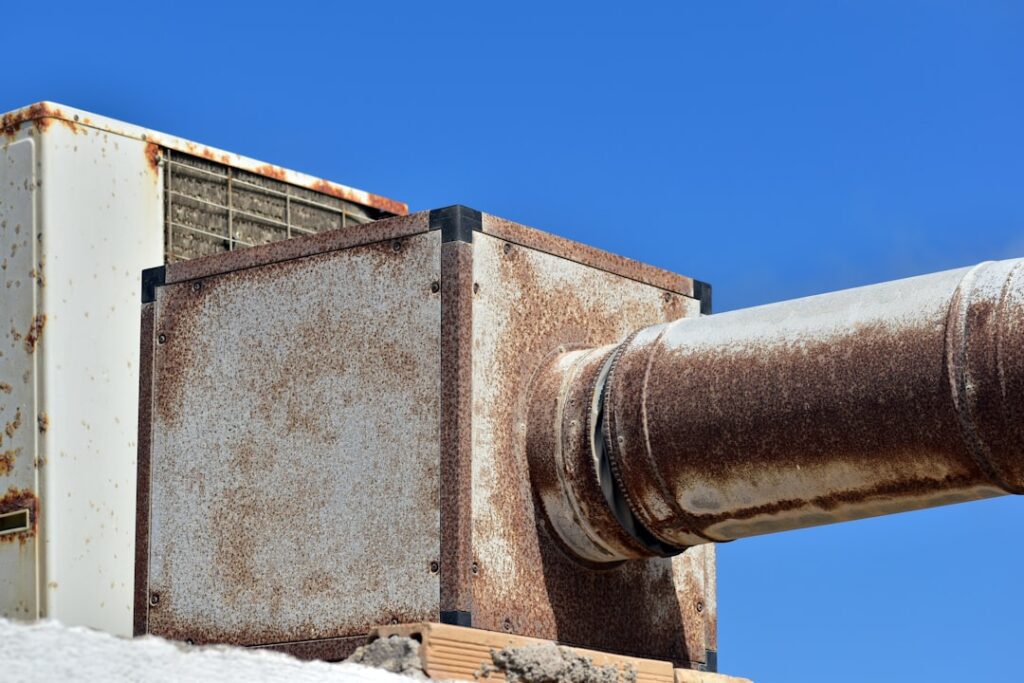
One of the biggest misconceptions is that rain alone is the problem. In reality, it is the combination of high humidity, falling debris, and temperature swings that creates a “perfect storm” for equipment. When moisture sits on metal components without drying, it leads to oxidation. For those of us living closer to the Puget Sound, salt air can travel inland, accelerating this process.
To understand the full impact, it helps to look at How Does Rain Affect the HVAC Equipment? Prolonged exposure can lead to electrical shorts, restricted airflow from wet debris, and the premature failure of the cabinet itself.
The Latent Heat Challenge in Humid Regions
If you use a heat pump in a place like Puyallup, you are dealing with the “latent heat challenge.” Heat pumps work by extracting heat from the outside air. However, when that air is laden with moisture, the system has to work significantly harder to pull warmth out of the water vapor.
Research shows that heat pumps in humid conditions can experience up to a 25% reduction in efficiency. This is because the system spends a large portion of its energy dealing with the moisture (latent heat) rather than just changing the air temperature (sensible heat). This extra stress leads to “component fatigue,” where the compressor and fan motors wear out faster because they are running longer cycles. If your system is struggling to keep up during a damp November night, you might need Reliable Heat Pump Maintenance in Puyallup to ensure it’s calibrated for our specific humidity levels.
Corrosion and Rust from Constant Dampness
Constant dampness is the enemy of metal and electricity. Inside your outdoor unit, there are thousands of tiny aluminum fins and copper coils. When these are constantly damp, they begin to corrode. This corrosion acts as an insulator, making it harder for the system to exchange heat, which in turn spikes your energy bills.
Furthermore, moisture can wreak havoc on blower motors and electrical connections. In Pierce County, we often see “pitting” on contactors and rust on the motor shafts of older units. This isn’t just an aesthetic issue; it’s a safety and reliability concern. Regular inspections can catch these signs of rust before they lead to a total system seizure. This is exactly Why You Need a Furnace Tune-Up in Pierce County before the damp winter cold sets in for good.
The Top Benefits of Regular HVAC Maintenance in Wet Climates
To truly see the value of a maintenance plan, it helps to compare a system that gets professional attention versus one that is left to fend for itself in the Washington rain.
| Feature | Maintained System (Wet Climate) | Neglected System (Wet Climate) |
|---|---|---|
| Average Lifespan | 15–20 Years | 10–12 Years |
| Energy Efficiency | Operates at 95-100% of rated SEER | Drops by 15-20% due to grime/moisture |
| Air Quality | Low mold risk; clean filters | High risk of “Dirty Sock Syndrome” (mold) |
| Repair Frequency | Rare; mostly preventative | Frequent; often urgent-based |
| Humidity Control | Keeps indoor RH between 30-50% | Struggles; home feels “sticky” or “musty” |
For homeowners in areas like Spanaway, keeping the system in peak shape means you don’t have to worry when a surprise heatwave or a deep freeze hits. You can learn more about keeping your system optimized with Spanaway AC Maintenance: Keeping Your Home Chilled and Thrilled.
Maximizing Energy Efficiency: Benefits of Regular HVAC Maintenance in Wet Climates
One of the most immediate benefits of regular hvac maintenance in wet climates is the impact on your wallet. In Portland and surrounding PNW areas, efficiency losses of 15-20% are common in systems that lack proper moisture control. Why? Because humid air has a high “specific heat capacity.” It takes more energy to heat or cool “wet” air than “dry” air.
When we perform maintenance, we don’t just change a filter. We check duct sealing—which can improve performance by 20-30% in humid climates—and ensure the coils are scrubbed clean of the sticky biofilm that thrives in damp weather. This allows for better airflow and heat transfer. For a deeper dive into how airflow affects your bills, check out The Importance of Seasonal Filter Changes & Airflow Optimization.
Extending Equipment Lifespan: Benefits of Regular HVAC Maintenance in Wet Climates
HVAC systems are a major investment. In demanding climates like ours, a well-maintained system can last 5 to 10 years longer than a neglected one. Think of it like a car: if you drive in stop-and-go traffic in the rain every day, you need to change the oil more often.
In Washington, our systems face “rapid temperature swings” that force them to switch modes multiple times a day, reducing efficiency by 8-12%. Regular maintenance reduces the friction and strain caused by these cycles. Whether you have a traditional furnace or a modern mini-split, specialized care is vital. For those with ductless systems, Ductless Heating Maintenance in Puyallup, WA is the best way to protect that 20-year lifespan.
Essential Seasonal Tune-Up Tasks for Rainy Regions
In April 2026, as we look at the upcoming seasons, timing is everything. We recommend a “bi-annual” approach: once in the spring to prep for humidity and once in the fall to prep for the damp cold. But How Often Should You Schedule an HVAC Tune-Up? For most homeowners in Puyallup and Sumner, twice a year is the gold standard for avoiding mid-storm breakdowns.
Pre-Season Preparation for Heavy Rainfall
Before the heavy rains of October arrive, there are several tasks we prioritize to “weatherproof” your comfort:
- Debris Removal: We clear leaves, pine needles, and twigs from the outdoor unit. In the PNW, these can trap moisture against the coils, leading to rapid rot.
- 2-Foot Clearance: We ensure there is at least a two-foot “buffer zone” around your unit. Overgrown shrubs in wet weather restrict airflow and keep the unit damp.
- Electrical Inspection: We tighten all connections. Moisture can cause wires to expand and contract, leading to loose terminals and potential fires.
- Cabinet Sealing: We check that all access panels are tight so wind-driven rain doesn’t enter the sensitive electronics area.
Preparing early is the key to a stress-free winter. You can find a full checklist in our guide to Fall HVAC Maintenance: Prepare Your Home for the Autumn Cold.
Condensate Drain and Coil Care
In wet climates, your HVAC system pulls a massive amount of water out of the air. This water travels through a condensate drain line. Because this line is dark and damp, it is a breeding ground for algae and “slime.” If this line clogs, water backs up into your home, causing ceiling stains and floor damage.
During a professional visit, we often use a distilled vinegar flush or specialized tablets to keep these lines clear. We also clean the evaporator coils to prevent “Dirty Sock Syndrome”—that musty smell that occurs when bacteria grow on damp coils. For residents in the city, Tacoma Homeowners: Why Professional AC Maintenance is a Breeze when you have a pro handling these messy drainage tasks.
Protecting Your Indoor Air Quality from Mold and Mildew
Indoor air quality (IAQ) is perhaps the most important of all the benefits of regular hvac maintenance in wet climates. When the outdoor humidity is high, your home can become a “greenhouse” for mold spores and dust mites. The EPA recommends keeping indoor humidity between 30% and 50% to prevent biological growth.
If your HVAC system isn’t maintained, it loses its ability to dehumidify. Instead of removing moisture, it can actually start blowing mold spores through your vents. Our Indoor Air Quality services focus on ensuring your system is a filter, not a fountain, for allergens.
Preventing Biological Growth in Ductwork
Ductwork in crawl spaces or attics is particularly vulnerable to the PNW dampness. If there are leaks in the ducts, they “suck in” moist, unconditioned air from the crawl space. This leads to condensation inside the metal pipes, which eventually turns into mold.
Regular maintenance includes:
- Checking for duct leaks that let in moisture.
- Ensuring your air filters are changed every 30-45 days during peak humidity (rather than the standard 90 days).
- Verifying that the system’s “dehumidification cycle” is functioning correctly.
If you’ve been lax on your filter, you might want to read about What Happens If You Don’t Get an Air Filter Change?—it’s not pretty!
I’m concerned about musty smells in my house. Can anyone recommend air purification in Puyallup?
If you notice an “earthy” or musty smell when the heat kicks on, that is a major red flag. In Puyallup and Tacoma, we often recommend whole-home air purifiers that integrate directly into your HVAC system. These systems use UV light or specialized ionization to kill mold spores and bacteria on the spot.
This is especially helpful during wildfire season, which has unfortunately become a regular part of our “wet” climate cycle. Smoke particles are “sticky” and, when combined with high humidity, can clog a standard filter in days. To keep your air truly fresh, you should also consider How Often Do You Need Air Duct Cleaning? to remove years of accumulated damp dust.
DIY Maintenance vs. Professional Service in Puyallup
We love an educated, proactive homeowner! There are several things you can do to support the benefits of regular hvac maintenance in wet climates between our professional visits.
- The 2-Foot Rule: Keep the area around your outdoor unit clear of leaves and snow.
- Filter Checks: In the rainy season, check your filter monthly. If it feels “heavy” or damp, replace it immediately.
- Visual Inspection: After a big windstorm in Steilacoom or SeaTac, walk outside and make sure no branches have fallen on your unit.
For more tips, check out 3 Easy DIY HVAC Upkeep Tasks Homeowners Can Do Between Professional Visits.
When to Call the Experts for Wet Weather Issues
While DIY is great for cleaning, some things require a pro. If you notice any of these “wet weather warnings,” give us a call immediately:
- Electrical Buzzing: If you hear a “sizzling” or buzzing sound after a rainstorm, water may have entered the electrical housing.
- Standing Water: If water is pooling around the base of your outdoor unit for more than a few hours after the rain stops, your drainage needs help.
- Frequent Cycling: If the system is turning on and off every few minutes, it might be struggling with a frozen coil or a moisture-related sensor error.
- Tripped Breakers: Never “just flip it back.” If the HVAC trips the breaker after a storm, there is likely a short circuit.
For those in a pinch, we offer Tacoma Heat Pump Maintenance because we know the rain doesn’t follow a 9-to-5 schedule.
Frequently Asked Questions about HVAC Care in Wet Climates
How often should I schedule maintenance in a rainy region?
In the Pacific Northwest, we strongly recommend twice a year. Schedule your heating service in the fall (September/October) and your cooling service in the spring (March/April). This ensures the system is ready for the “heavy lifting” seasons of damp cold and humid heat. See our guide on How Often Should You Get Your Furnace Service? for more details.
Does rain damage the outdoor unit?
Standard rain does not damage the unit, as they are designed to be weather-resistant. However, standing water and wind-driven debris are major threats. If the unit is submerged in even a few inches of water, it can ruin the sensitive electronics. Always ensure the ground slopes away from your unit. You can learn more in our post about How Does Rain Affect the HVAC Equipment?.
What are the signs of moisture damage in my HVAC system?
The most common signs include:
- Musty odors coming from the vents.
- Water stains on the ceiling or walls near the indoor unit.
- Ice buildup on the coils (even in summer!).
- Sticky air indoors, indicating the system isn’t dehumidifying.
If your system is acting up, don’t wait. When Your Heat Pump Quits: prompt Maintenance in Spanaway, WA can save you from a much larger repair bill.
Conclusion
The Pacific Northwest is a beautiful place to live, but its climate is undeniably tough on home machinery. By prioritizing the benefits of regular hvac maintenance in wet climates, you aren’t just checking a chore off your list—you are protecting your home’s air quality, lowering your monthly bills, and ensuring your family stays comfortable regardless of what’s happening outside.
At WestCoast Heating & Air, we are more than just a service company; we are your neighbors. As a family-owned business with over 20 years of experience in Puyallup, Tacoma, Sumner, and beyond, we understand exactly how Washington’s weather affects your specific system. We don’t believe in “one-size-fits-all” solutions. Instead, we offer customized system design and customer education to make sure you feel confident in your home’s HVAC.
Whether you are in University Place, Roy, or Orting, our team is ready to help you keep the mold away and the comfort in. Schedule your residential service with our local experts today and experience the peace of mind that comes with a truly well-maintained home.