
What to Do When Your HVAC Breaks Down Unexpectedly: Your First Steps
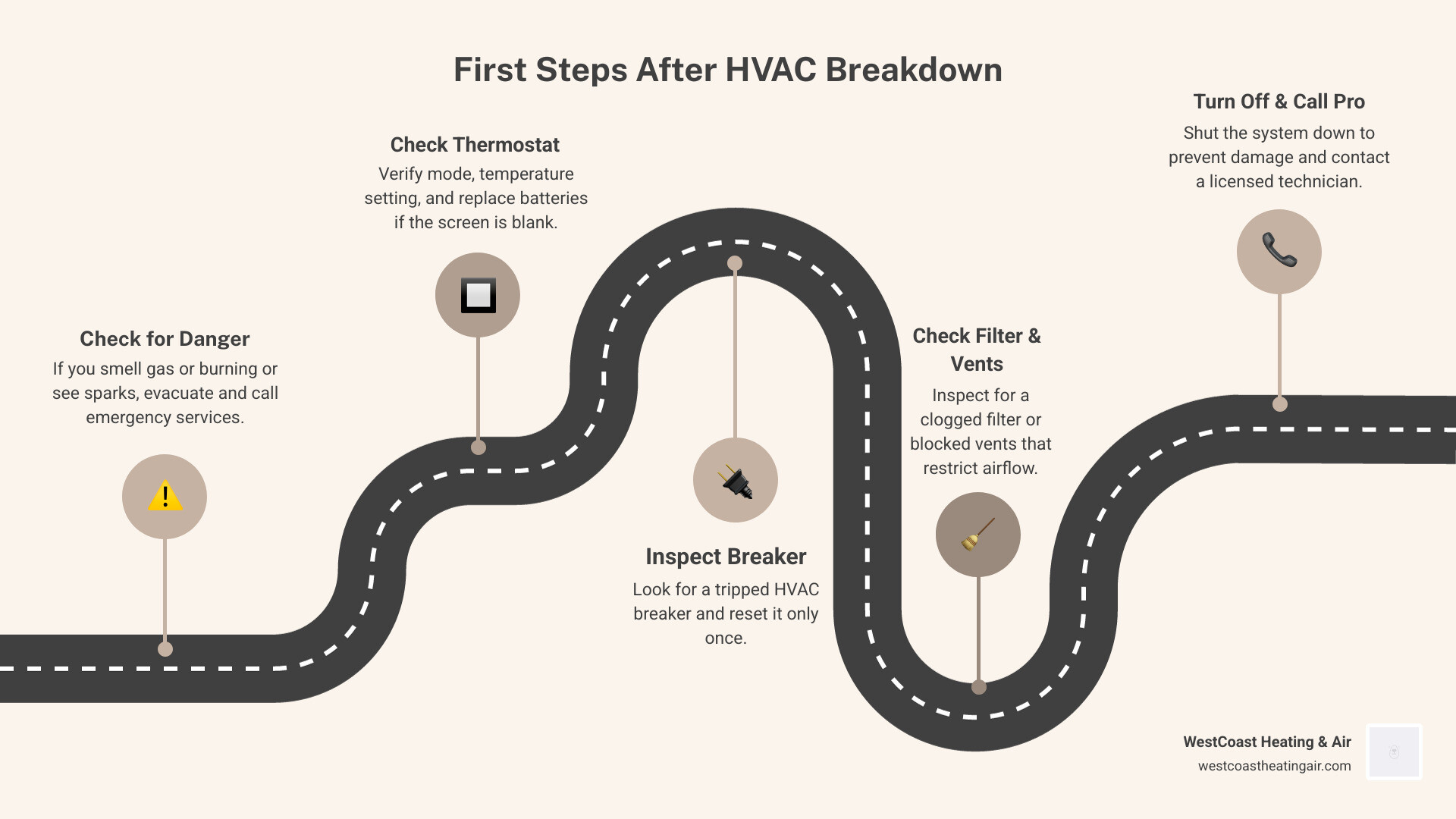
Knowing what to do when your HVAC breaks down unexpectedly in your home can mean the difference between a quick fix and a stressful, costly ordeal. Here are the five immediate steps to take:
- Check for danger first – If you smell gas, burning, or hear sparks, shut off the system and evacuate immediately.
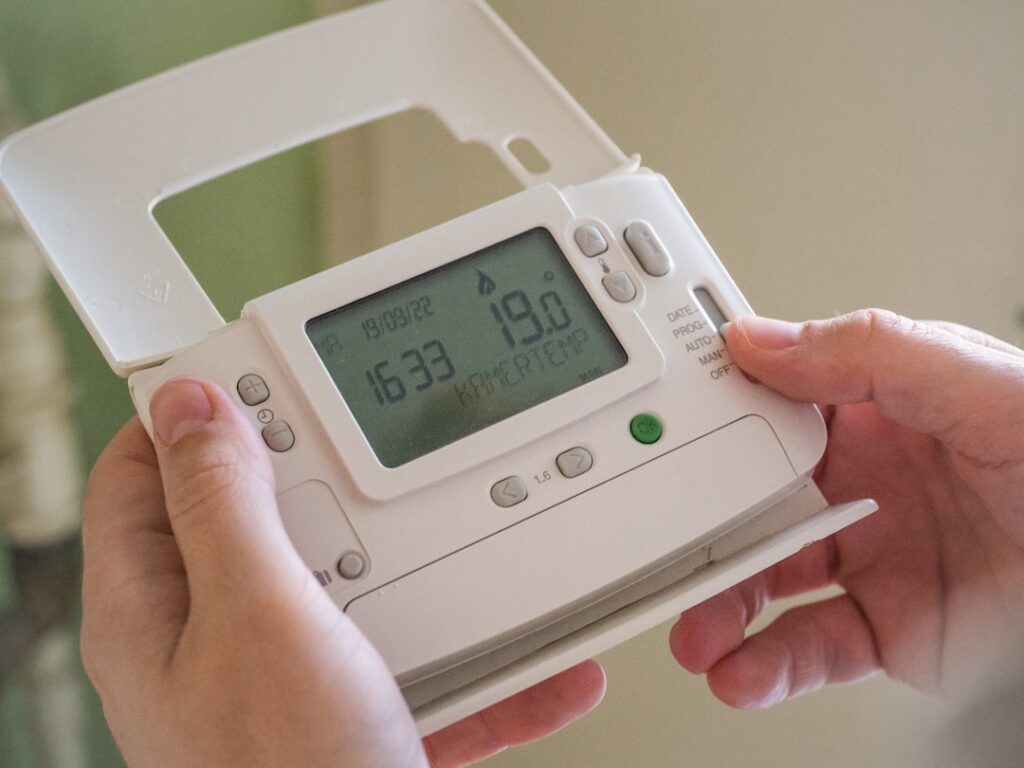
- Check your thermostat – Confirm it’s set to the right mode and temperature, and replace the batteries if the screen is blank.
- Inspect your circuit breaker – Look for a tripped breaker labeled HVAC, AC, or Furnace and reset it once.
- Check the air filter and vents – A clogged filter or blocked vent is one of the most common causes of sudden shutdowns.
- Turn the system off and call a professional – If basic checks don’t restore function, shut the system down to prevent further damage and contact a licensed HVAC technician.
It almost never happens at a convenient time. Your air conditioner goes silent on the hottest afternoon of the summer. Your furnace stops responding in the middle of a cold January night. In fact, research shows that 70% of homeowners experience an HVAC breakdown during peak seasons — exactly when a working system matters most. And here’s what makes it even more frustrating: roughly 40% of those breakdowns trace back to something as simple as a thermostat issue, not a major mechanical failure.
The good news is that many of these situations are manageable if you know what to look for and what to do first. Understanding the difference between a quick DIY fix and a true emergency is what separates a minor inconvenience from a serious safety risk.
I’m Michael Smith, owner of WestCoast Heating & Air in Puyallup, Washington, and after 30 years in complex problem-solving at Boeing followed by hands-on HVAC work serving Pacific Northwest families, I’ve seen how knowing what to do when your HVAC breaks down unexpectedly can keep your household safe and get your home’s comfort restored faster. In this guide, I’ll walk you through exactly what to check, what to avoid, and when it’s time to call for professional help.
Glossary for what to do when your hvac breaks down unexpectedly:
- how to prevent hvac emergencies with maintenance
- signs you need emergency hvac service
What to Do When Your HVAC Breaks Down Unexpectedly: Start With These 5 Steps
When your system quits, resist the urge to push every button in sight like you’re trying to launch a spaceship. Start simple, stay safe, and work through the basics in order.
Step 1: Check for immediate danger before you touch anything
Before troubleshooting, do a quick safety sweep.
Watch and listen for:
- Gas smell, often like rotten eggs
- Burning odor, melting plastic smell, or smoke
- Sparks
- Loud buzzing from electrical components
- A carbon monoxide alarm sounding
- Water actively leaking near electrical parts
If you notice any of these:
- Turn the system off if you can do so safely
- Leave the home immediately if you suspect gas or carbon monoxide
- Call 911 or your gas utility for gas or CO concerns
- Shut off the HVAC breaker if there is a burning smell or electrical issue and it is safe to access
Do not keep investigating a possible gas, carbon monoxide, or electrical hazard. Safety always beats curiosity.
Step 2: Confirm the thermostat is actually calling for heating or cooling
This is the first practical check because thermostat issues are involved in about 40% of HVAC emergencies.
Make sure:
- The thermostat is set to
Coolin summer orHeatin winter - The temperature setting is below room temperature for cooling or above it for heating
- The fan is set to
Auto, notOn, unless you’re deliberately using fan-only mode - The screen is on and readable
- Batteries are replaced if the display is blank or fading
If you have a smart thermostat, also check:
- Wi-Fi or app errors
- Program schedules or overrides
- Vacation mode
- Error messages
A furnace that seems broken may simply be running with the fan set to On, which can blow unheated air between heating cycles. Annoying? Yes. Catastrophic? Usually not.
Step 3: Inspect the breaker and power switches safely
If the thermostat looks fine, check whether the system has power.
Look for:
- A tripped breaker in the electrical panel labeled HVAC, AC, furnace, air handler, or heat pump
- A service switch near the indoor unit that may have been turned off accidentally
- A nearby disconnect box at the outdoor unit
If a breaker is tripped:
- Reset it once
- Wait to see if the system restarts
If it trips again, stop there. Repeated breaker trips can point to an electrical fault, failing component, or overloaded circuit. Continuing to reset it is not troubleshooting. It is gambling.
Step 4: Check the filter, vents, and outdoor unit for airflow problems
Restricted airflow causes a surprising number of shutdowns. A dirty filter can force the system to work much harder and may lead to overheating, freezing, or safety shutoff.
Check:
- The air filter for heavy dust buildup
- Supply vents and return grilles for blockages from rugs, furniture, or boxes
- The outdoor unit for leaves, cottonwood fluff, yard debris, or overgrown plants
- Any visible ice on refrigerant lines or coils
Replace a dirty filter if needed. Make sure vents are open and unobstructed. Keep at least a couple of feet of clearance around the outdoor unit for airflow.

Step 5: Turn the system off if symptoms look serious and prepare to call for help
Some signs mean you should stop running the system even if it still sort of works.
Turn it off if you notice:
- Loud grinding, rattling, squealing, or buzzing
- Short cycling
- Burning smells
- Ice on the indoor or outdoor unit
- Warm air when cooling should be on
- Cold air from a furnace that does not correct after thermostat checks
- Water pooling around the unit
Before you call, gather a few details:
- What the system is or is not doing
- Any noises or smells
- When the problem started
- Whether the breaker tripped
- Whether you changed the filter
- The model number if easy to access
That information helps us diagnose faster and helps you know what to expect during your HVAC service visit.
Safe DIY Checks Homeowners Can Do Before Calling
There are a few homeowner-safe tasks that make sense before scheduling service. The key word is safe.
Good homeowner checks include:
- Thermostat settings and batteries
- Breaker inspection and one reset
- Filter replacement
- Clearing blocked vents
- Removing light debris from around the outdoor unit
- Looking for visible water, ice, or error messages
Do not:
- Open equipment cabinets
- Touch wiring
- Attempt refrigerant work
- Force the system to keep running
- Disassemble panels to “take a look”
What to do when your HVAC breaks down unexpectedly and the thermostat seems dead
If the thermostat is blank:
- Replace the batteries first if your model uses them
- Make sure the breaker for the indoor unit is on
- Check that the furnace switch has not been flipped off
- Review scheduling settings if it’s a smart thermostat
Because thermostat-related issues are so common, this simple check solves more “major breakdowns” than most homeowners expect.
What to do when your HVAC breaks down unexpectedly after a breaker trips
A tripped breaker can happen during heavy system demand, after a power fluctuation, or because a component is failing.
You can:
- Reset the breaker once
- Restart the thermostat call for heating or cooling
- Observe whether the system starts normally
Stop and call for help if:
- The breaker trips again
- You hear buzzing
- The system starts and shuts off immediately
- There is any burning odor
A breaker that keeps tripping is a warning, not an invitation.
How to handle dirty filters, blocked airflow, ice, and condensate drain issues
Dirty filters are one of the most common causes of avoidable service calls. They restrict airflow, and restricted airflow can lead to:
- Overheating in heating mode
- Frozen evaporator coils in cooling mode
- Weak airflow
- Poor comfort
- Higher energy use
If your AC has ice on it:
- Turn cooling off
- Set the fan to
Onif the fan still works - Let the ice thaw naturally
- Replace the filter if dirty
- Call for service if the ice returns
If water is pooling near the indoor unit, the condensate drain may be clogged. Some systems have a float switch that shuts the AC down to prevent overflow and water damage. You can check for obvious standing water, but if the drain line is clogged or the cause is unclear, it is best to let us handle it.
What not to do during an HVAC breakdown
A few don’ts can save you from making a bad day worse.
Do not:
- Keep resetting the breaker repeatedly
- Run the system while it is making loud noises
- Try to add refrigerant yourself
- Remove access panels
- Use a gas oven, grill, or stovetop to heat the house
- Ignore a carbon monoxide alarm
- Leave a space heater unattended
When an HVAC Breakdown Becomes a True Emergency
Not every breakdown is an emergency, but some absolutely are. A true residential HVAC emergency is any situation that threatens health, safety, or property.
For more detail, read these signs of a true HVAC emergency.
Safety precautions for gas leaks, carbon monoxide alarms, and electrical hazards
Treat these as immediate emergencies:
Gas leak signs:
- Rotten egg smell
- Hissing near the furnace or gas line
Carbon monoxide concerns:
- CO alarm sounding
- Headache, dizziness, nausea, or confusion along with furnace problems
Electrical hazard signs:
- Smoke
- Sparks
- Scorch marks
- Strong burning smell
- Breakers that will not stay on
What to do:
- Evacuate for gas leaks or CO alarms
- Call 911 and your gas utility
- Do not turn lights or appliances on or off if gas is present
- Shut off power at the breaker only if it is safe and there is no gas concern
- Do not re-enter until authorities say it is safe
Warning signs that need urgent professional attention right away
Call for immediate professional help if you have:
- No heat during dangerously cold weather
- No cooling during extreme heat, especially with infants, seniors, pets, or medical needs at home
- A major water leak from the system
- Ice covering parts of the AC or heat pump
- Loud grinding, banging, or screeching
- Very weak or no airflow
- Warm air from the AC when it should cool
- Repeated short cycling
- Repeated breaker trips
These issues may point to compressor trouble, blower problems, drain overflow, airflow failure, or electrical damage.
[TABLE] comparing a true HVAC emergency and a non-urgent repair
| Situation | True emergency? | Why |
|---|---|---|
| Gas smell or CO alarm | Yes | Immediate life-safety risk |
| Burning smell, smoke, or sparks | Yes | Fire or electrical hazard |
| No heat during freezing weather | Yes | Health risk and possible frozen pipes |
| No AC during dangerous heat with vulnerable residents | Yes | Heat-related health risk |
| Major water leak near unit or ceiling damage | Yes | Property damage risk |
| Thermostat blank but home temperature still manageable | Usually no | Often a simple power or battery issue |
| Dirty filter causing weak airflow | Usually no | Important, but not usually life-threatening |
| One-time breaker trip that resets and runs normally | Usually no | Monitor, but not always urgent |
| Uneven temperatures in mild weather | Usually no | Needs service, but can often wait |
How to Stay Comfortable While Waiting for Emergency HVAC Repair
Once you’ve called for help, the next priority is keeping everyone safe and reasonably comfortable.
Keeping your home safer in extreme heat without AC
If your AC fails during hot weather:
- Close blinds and curtains on sunny windows
- Stay on the lowest floor if your home has multiple levels
- Drink water regularly
- Wear lightweight clothing
- Avoid using the oven, dryer, and other heat-producing appliances
- Take cool showers or use cool compresses
- Use fans to move air if indoor conditions are still safe
If the house is becoming too hot, especially for children, older adults, or anyone with medical concerns, relocate to a safer place such as a friend’s house or another air-conditioned public space.
Staying warm safely if your furnace stops working
If your heating system fails in cold weather:
- Dress in layers
- Use blankets and sleeping bags
- Gather in one room to hold heat
- Close curtains and block drafts
- Use a space heater only according to the manufacturer’s instructions
- Keep space heaters at least 3 feet from anything flammable
- Plug them directly into a wall outlet
- Never leave them running unattended
If you have a fireplace, use it only if it is properly vented and safe to operate. Never use the oven or a charcoal grill for heat indoors.
Protecting your home while the system is down
A breakdown can affect more than comfort. It can also threaten your home.
Temporary comfort and home-protection tips:
- Let faucets drip during freezing weather
- Open sink cabinet doors on exterior walls so warmer air can reach pipes
- Keep pets in the most temperature-stable room
- Store temperature-sensitive medications appropriately
- Watch for condensation or water leaks around the system
- Keep interior doors open enough to help air circulate where appropriate
- Avoid blocking return vents with blankets, furniture, or boxes
How Regular Maintenance Helps Prevent Unexpected HVAC Breakdowns
The best emergency is the one that never happens. Research consistently shows that homeowners who schedule regular maintenance are 50% less likely to face an HVAC emergency. That matters, especially since more than 60% of HVAC emergencies happen during peak summer or winter demand.
Why maintenance reduces emergency breakdowns and extends system life
Routine maintenance helps catch small issues before they turn into mid-season failures.
A good maintenance routine includes:
- A cooling tune-up in spring
- A heating tune-up in fall
- Filter checks throughout the year
- Coil, drain, and airflow inspection
- Electrical and safety control checks
Well-maintained systems often last 15 to 20 years. Neglected systems may fail in 8 to 10 years and usually run less efficiently along the way. That means more wear, more stress, and more opportunities for breakdowns at exactly the wrong time.
Small warning signs homeowners should never ignore
Many breakdowns give warning before they turn into a complete shutdown.
Watch for:
- Rising energy bills without another clear explanation
- Weak airflow
- Hot and cold spots around the house
- Unusual noises
- Short cycling
- Humidity problems
- The system struggling to keep up
- Frequent repairs
If you notice these, don’t wait for a total failure. Our guide on maintenance secrets to keep your HVAC running smoothly explains what to monitor and why early action matters.
When repair stops making sense and replacement is the smarter move
Sometimes a repair is the right call. Sometimes the system is telling you, as politely as machinery can, that it is ready to retire.
Replacement may be worth considering if:
- The system is around 15 years old or older
- Breakdowns are becoming frequent
- Comfort is inconsistent even after repairs
- Energy efficiency has dropped noticeably
- Major components are failing
- The unit uses outdated equipment or refrigerant
- You are repairing it more than once a season
If you are weighing that decision, start with signs it’s time to upgrade your HVAC system and then review what to expect during an HVAC replacement. We believe homeowners should understand their options clearly before making a big decision.
Conclusion
When you know what to do when your HVAC breaks down unexpectedly, the situation becomes a lot less chaotic. Start with safety. Check the thermostat, breaker, filter, vents, and obvious airflow problems. Shut the system down if there are signs of serious trouble. And call for immediate professional help anytime health, safety, or property could be at risk.
For homeowners in Puyallup, Tacoma, Sumner, University Place, Tumwater, Steilacoom, Spanaway, SeaTac, Roy, and Orting, we are here to help with residential heating and cooling problems, emergency situations, maintenance, and system guidance built specifically for residential homes, not a one-size-fits-all guess.
If your system has failed or you want help preventing the next breakdown, learn more about our residential heating and cooling services.