
Is an HVAC Maintenance Plan Worth It for Puyallup Homeowners?
Is an HVAC maintenance plan worth it? For most homeowners, the short answer is yes — but it depends on your system’s age, how your local climate stresses it, and what the plan actually covers.
Here’s a quick breakdown to help you decide:
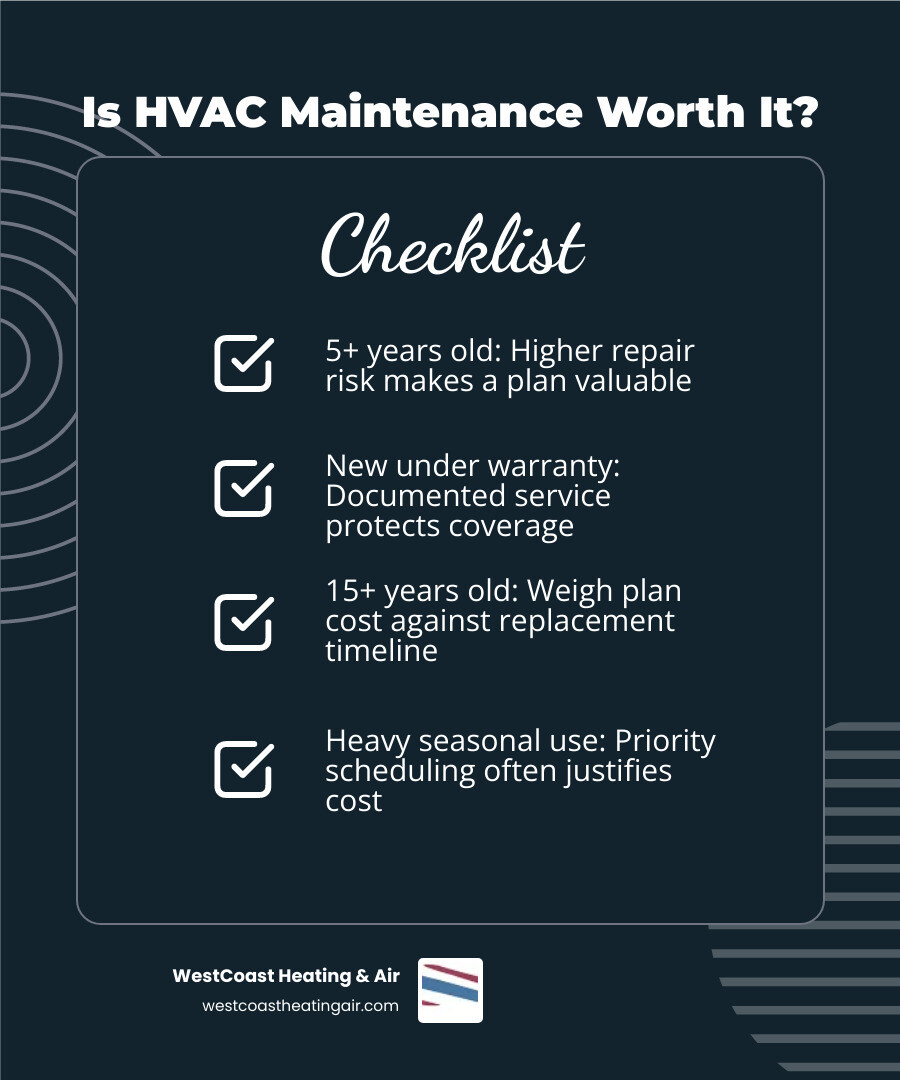
| Your Situation | Maintenance Plan Worth It? |
|---|---|
| System is 5+ years old | Yes — higher repair risk makes coverage valuable |
| Brand-new system under warranty | Yes — documented service protects your warranty |
| System is 15+ years old | Maybe — weigh plan cost against replacement timeline |
| You handle all DIY tasks consistently | Possibly not — but professional checks still add value |
| You live somewhere with heavy seasonal demands | Yes — priority scheduling alone can justify the cost |
No one wants to discover their furnace quit on the coldest night of a Puyallup January. Yet that’s exactly when HVAC systems tend to fail — not because of bad luck, but because small, unnoticed problems quietly build until something breaks. A maintenance plan is designed to catch those problems before they become urgent situations.
Think of it the way you think about oil changes for your car. You don’t wait for the engine to seize before you service it. Your heating and cooling system works the same way — regular professional attention keeps it running efficiently, safely, and longer than it would without care.
I’m Michael Smith, owner of WestCoast Heating & Air, and after 30 years in aerospace with Boeing followed by hands-on work in the HVAC industry here in Puyallup, I’ve seen what separates systems that last 20 years from ones that fail at 10 — and whether an HVAC maintenance plan is worth it often comes down to one thing: consistency of care. In the sections below, I’ll walk you through everything you need to make a confident, informed decision for your home.
What is a Residential HVAC Maintenance Agreement?
A residential HVAC maintenance agreement is a formal partnership between a homeowner and a professional heating and cooling company. Instead of calling a technician only when something breaks down, you enroll in an ongoing program where professional care is scheduled proactively.
For homeowners in the Pacific Northwest—from SeaTac and Tacoma down to Tumwater and Steilacoom—these agreements ensure that your home’s most expensive appliances receive the routine service they need to withstand our damp winters and increasingly warm summers. Rather than leaving your comfort to chance, a maintenance plan places your system on a structured health regimen.
When you sign up for a plan, you are essentially securing a professional defense system for your indoor climate. The agreement establishes a routine schedule where certified technicians visit your home to inspect, clean, adjust, and optimize your heating systems and cooling systems. To understand what to expect during these visits, you can read more about Everything You Need to Know About Your Next HVAC Service Visit.
What is typically included in a standard plan?
A comprehensive maintenance program is much more than a simple visual inspection or a quick filter swap. When a qualified technician services your equipment, they perform a multi-point safety and performance checklist.
A standard, high-quality residential maintenance plan typically includes:
- Coil Cleaning: Cleaning both the indoor evaporator coil and the outdoor condenser coil to ensure maximum heat transfer and system efficiency.
- Condensate Drain Flushing: Clearing out the condensate lines and pans to prevent mold growth, algae blockages, and water damage inside your home.
- Thermostat Calibration: Verifying that your thermostat communicates accurately with your heating and cooling units so you do not waste energy.
- Electrical Connection Testing: Checking and tightening all electrical connections, measuring voltage, and monitoring motor amp draws to prevent electrical shorts or fire hazards.
- Safety Inspections: Inspecting safety controls, testing limit switches, and checking gas connections or heat exchangers for dangerous cracks that could leak carbon monoxide.
- Moving Parts Lubrication: Applying lubricant to bearings, motors, and other mechanical parts to reduce friction and wear.
By performing these tasks systematically, technicians can keep your unit running in peak condition. For a deeper look at the specific steps involved in maintaining system performance, explore these Maintenance Secrets to Keep Your HVAC Running Smoothly.
How often should your home comfort system be serviced?
The golden rule of residential HVAC care is that your system should be professionally serviced twice per year.
We recommend scheduling a spring tune-up for your cooling systems (such as central air conditioners) and a fall tune-up for your heating systems (such as gas furnaces). This timing ensures that each unit is prepared to handle the extreme demands of the upcoming season before you turn it on for the first time.
If your home relies on a modern heat pump, bi-annual service is even more critical. Unlike standalone air conditioners or furnaces that rest for half the year, heat pumps work year-round to provide both heating and cooling in areas like Puyallup, Sumner, and Spanaway. Because they run continuously through every season, they experience double the wear and tear and require consistent, twice-yearly checkups. To learn more about timing your appointments perfectly, refer to our guide on The Best Time to Schedule Your Heating and Cooling Tune-Ups.
Is an HVAC maintenance plan worth it compared to pay-as-you-go service?
To evaluate whether is an hvac maintenance plan worth it, it helps to compare the structured approach of a plan directly against the reactive, pay-as-you-go model.
| Service Feature | Scheduled Maintenance Plan | Pay-As-You-Go Service |
|---|---|---|
| Service Frequency | Automatic bi-annual visits | Only when scheduled by homeowner |
| Scheduling Priority | Priority “front of the line” status | Standard queue (can be days or weeks in peak season) |
| Diagnostic & Service Fees | Often waived or heavily discounted | Full price per visit |
| Repair Discounts | Typically 10% to 20% off parts and labor | Full price for all parts and labor |
| Urgent Coverage | Priority urgent service, often with waived overtime fees | Standard rates with premium after-hours fees |
| System Longevity | Maximized through consistent tracking | Reduced due to accumulated wear and tear |
While paying for individual repairs as they happen might seem simpler upfront, it often exposes homeowners to sudden, high-stress situations. If your system breaks down during a freezing winter night in Orting or Roy, a pay-as-you-go approach means waiting in a long service queue behind contract customers who receive priority scheduling.
Furthermore, maintenance plans act as a financial shield. By catching minor issues during pre-scheduled visits, you avoid the high costs of urgent service and major part replacements. For a closer look at how the math works out in your favor over time, check out The Financial Case for Preventive Maintenance.
The benefits of proactive residential system care
Investing in a proactive residential maintenance plan delivers several clear, long-term advantages that extend far beyond simply avoiding breakdowns:
- Enhanced Energy Efficiency: Dust and debris accumulate on coils and internal components over time. This buildup acts as an insulator, forcing your system to work harder and run longer to reach your desired indoor temperature. Regular cleanings keep the system operating close to its original factory efficiency ratings.
- Lower Utility Bills: When your heating and cooling equipment runs efficiently, it consumes less electricity or natural gas. Homeowners who maintain their systems regularly often notice lower monthly energy costs compared to those who neglect their units.
- Extended System Lifespan: A well-maintained system experiences less daily strain. By keeping motors lubricated, electrical connections tight, and airflow unrestricted, you can significantly extend the overall lifespan of your equipment.
- Improved Indoor Air Quality: Dust, pet dander, and pollen can settle inside your ductwork and air handler. Professional cleanings prevent these contaminants from circulating through your living spaces, creating a healthier environment for your family.
By choosing consistent, professional care, you gain year-round peace of mind. To discover why proactive care is always better than waiting for things to go wrong, read our article: Don’t Wait for a Breakdown.
The risks of skipping professional maintenance
When homeowners skip professional maintenance, they unknowingly trigger a slow, damaging chain reaction within their heating and cooling systems. The risks of ignoring preventive care are both costly and hazardous:
- Frozen Coils: Restricted airflow caused by dirty filters or clogged indoor coils can drop the temperature of your system’s evaporator coil below freezing. This causes ice to build up, completely halting the cooling process and potentially sending water into your home when the ice melts.
- Compressor Failure: The compressor is the heart of your air conditioner or heat pump. If the system is forced to run continuously due to dirty coils or incorrect refrigerant levels, the compressor will eventually overheat and fail, leading to an incredibly expensive replacement.
- Heat Exchanger Cracks: In gas furnaces, the heat exchanger is responsible for safely warming the air distributed through your home. Over time, poor airflow can cause the heat exchanger to overheat and crack. A cracked heat exchanger can leak deadly carbon monoxide gas into your home’s air supply.
Skipping routine service might save a little time today, but it often leads to catastrophic system failures down the road. You can read more about these consequences in our detailed breakdown of What Happens If You Skip HVAC Maintenance.
When a Maintenance Agreement Makes the Most Sense
While regular maintenance is universally beneficial, there are specific situations where enrolling in a formal agreement is particularly advantageous. Your system’s age, your home’s location, and your personal schedule all play a major role in determining how much value you will get from a plan.
For example, homeowners in the Pacific Northwest face unique climate demands. Our winters are long and damp, while our summers are increasingly hot and dry. This “seasonal whiplash” places a high amount of stress on residential heating and cooling systems. If you live in University Place, Spanaway, or Tacoma, having a professional team keep an eye on your system ensures it is always ready for whatever weather comes our way. To help determine the right schedule for your home, check out our guide on How Often Should You Schedule an HVAC Tune-Up.
Why is an hvac maintenance plan worth it for newer systems under warranty?
If your heating and cooling system is brand new or only a few years old, you might assume a maintenance plan is unnecessary. However, this is actually one of the most critical times to have one.
Almost every major HVAC manufacturer requires documented proof of annual professional maintenance to keep their parts warranties valid. If a critical component fails within the warranty window, the manufacturer may deny your claim if you cannot provide a clear paper trail of professional service.
By enrolling in a maintenance plan, you ensure that your system receives the required professional care on schedule. This documentation acts as an insurance policy for your equipment, keeping your warranty intact and protecting you from having to pay out-of-pocket for covered parts.
Why is an hvac maintenance plan worth it for aging heating and cooling units?
On the other end of the spectrum, older systems that are past their prime benefit immensely from a maintenance agreement. As heating and cooling units age, their mechanical parts naturally begin to wear down.
With an older system, our technicians utilize predictive diagnostics during routine visits. By measuring electrical current, monitoring system pressures, and checking the performance of motors and capacitors, we can often identify which parts are nearing the end of their operational life.
This allows you to address weak links before they cause a complete system shutdown. It also gives you the valuable opportunity to plan for a system replacement on your own timeline, rather than being forced to make a rushed decision during an urgent problem mid-winter breakdown.
DIY Maintenance Tasks vs. Professional Service
Many homeowners wonder if they can simply perform HVAC maintenance themselves to save money. While there are several important tasks you can—and should—handle on your own, they do not replace the need for professional service.
To keep your system running safely and efficiently, it is best to combine consistent DIY habits with scheduled professional tune-ups.
What Homeowners Can Do (DIY):
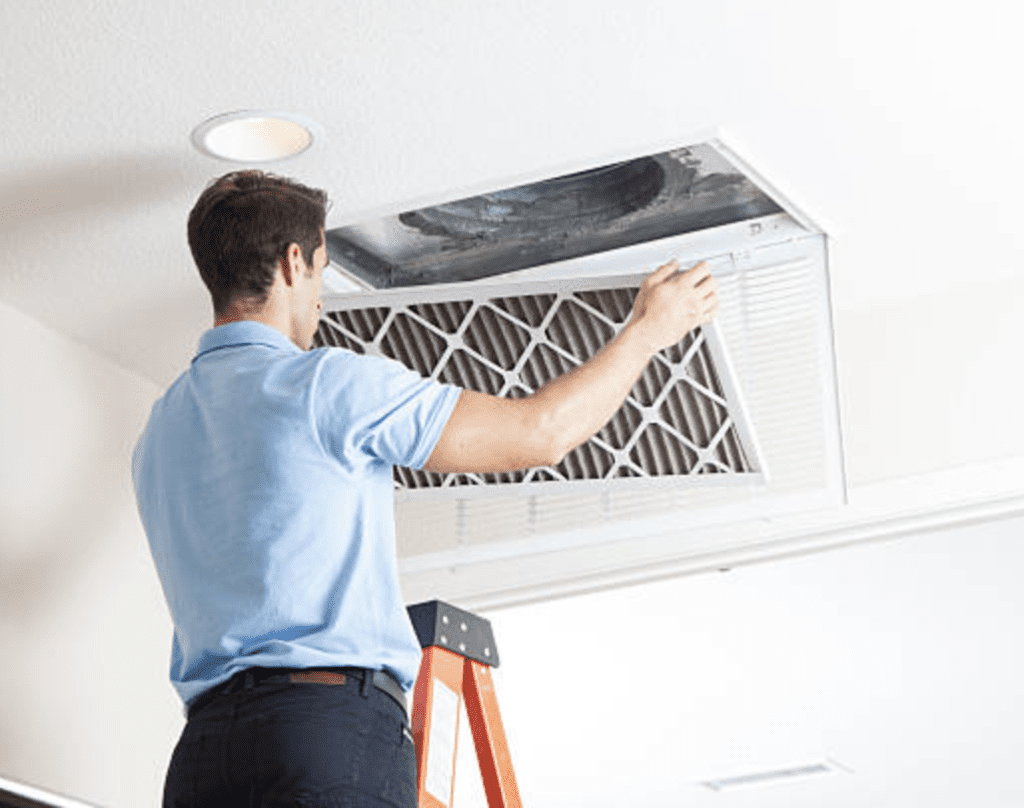
- Regular Filter Replacement: This is the single most important task a homeowner can perform. Regularly replacing your air filter keeps airflow strong and prevents dust from blanket-coating your system’s internal parts. To learn exactly how often to change your filters, read our comprehensive guide: Stop Choking Your HVAC: A Guide to Filter Replacement Timing.
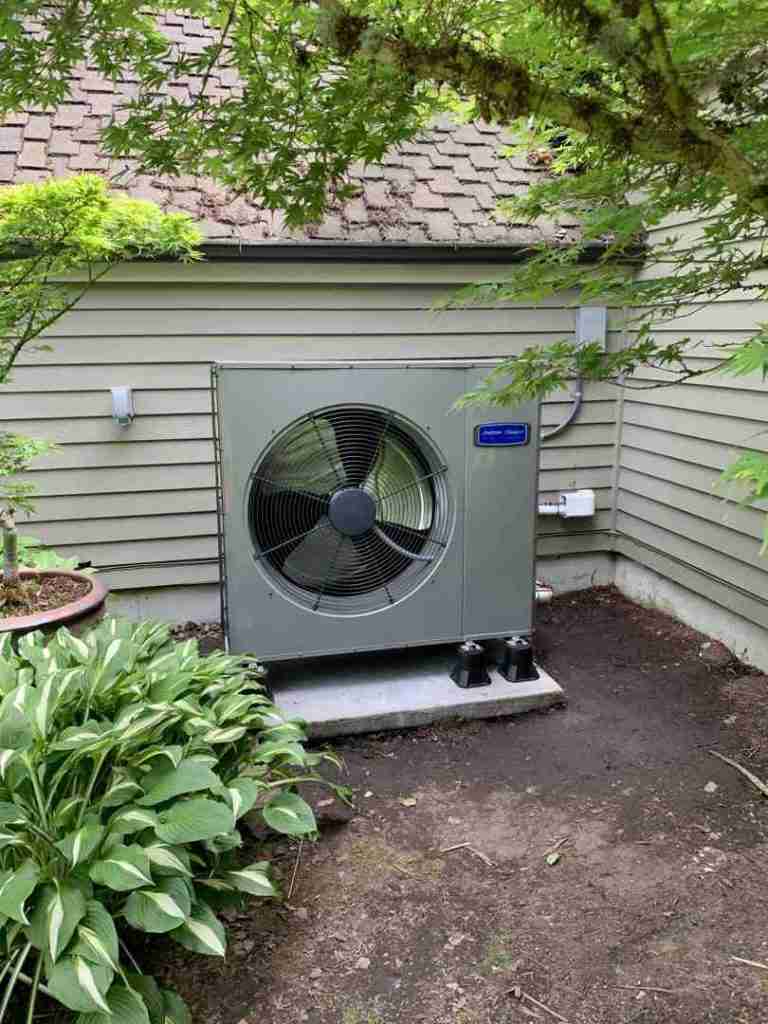
- Outdoor Unit Clearance: Keep the area around your outdoor condenser unit clear. Ensure there is at least two feet of open space around the unit by trimming back shrubs, grass, and weeds, and clearing away fallen leaves or branches.
- Visual Inspections: Regularly check your indoor and outdoor units for any obvious signs of trouble, such as unusual noises, strange odors, or pooled water around the condensate drain.
What Requires Professional Service:
While DIY tasks are highly beneficial, critical safety and mechanical procedures must be left to certified professionals. Homeowners do not have the specialized tools, safety training, or EPA certifications required to handle tasks such as:
- Checking and adjusting refrigerant levels
- Inspecting heat exchangers for invisible cracks or carbon monoxide leaks
- Testing high-voltage electrical connections and checking motor amp draws
- Calibrating complex thermostat communications and electronic control boards
By combining your regular DIY efforts with our professional expertise, you can ensure your home comfort system remains safe, reliable, and highly efficient.
Frequently Asked Questions about Home HVAC Maintenance
Can I cancel a residential HVAC service agreement?
Yes, most reputable heating and cooling companies offer highly flexible terms for their residential agreements. At WestCoast Heating & Air, we believe in building long-term relationships based on trust rather than locking homeowners into rigid, unbreakable contracts. Most modern maintenance plans allow you to cancel with simple written notice, though the specific terms can vary depending on whether you pay on a monthly or annual basis.
Does a maintenance plan cover the cost of all replacement parts?
No, a standard maintenance plan is designed for preventive care and does not function as a comprehensive home warranty that covers the full cost of all broken parts. Instead, a plan covers the labor for seasonal cleanings, inspections, and tune-ups. However, if a part does need to be replaced, most agreements provide valuable member discounts (typically ranging from 10% to 20% off) on both parts and repair labor.
What happens if I skip professional service for a year?
Skipping professional service for even a single year can start a quiet, damaging snowball effect. Dust and debris will slowly accumulate on your coils, restricting airflow and forcing your system to work harder. This leads to a gradual loss of energy efficiency, higher monthly utility bills, and increased wear on critical components like the blower motor and compressor. Additionally, unnoticed safety issues—such as loose electrical connections or minor gas leaks—can go undetected, posing a potential hazard to your home and family.
Conclusion
Deciding whether is an hvac maintenance plan worth it ultimately comes down to how you prefer to protect your home investment. While a reactive, pay-as-you-go approach might seem convenient when your system is running smoothly, it often leaves you vulnerable to unexpected breakdowns, higher energy bills, and voided manufacturer warranties. A proactive maintenance agreement removes the guesswork, keeping your system efficient, safe, and reliable through every season.
At WestCoast Heating & Air, we are proud to be a local, family-owned company serving homeowners across Puyallup, Tacoma, Sumner, Orting, and the surrounding WA communities. Backed by over 20 years of local experience, our certified technicians are committed to delivering top-quality residential service, customized home system design, and honest customer education.
We treat your home comfort system with the same care and attention we would give our own. Ready to secure year-round peace of mind and protect your heating and cooling investment? Protect your home comfort with WestCoast Heating & Air today.